Coral reefs cover less than 1% of the ocean floor but support 25% of all marine life. These destinations are rated 4+ for coral diversity and health, featuring everything from shallow fringing reefs to dramatic walls draped in soft corals and sea fans.
Best Destinations for Coral Reefs (14 rated 4+)
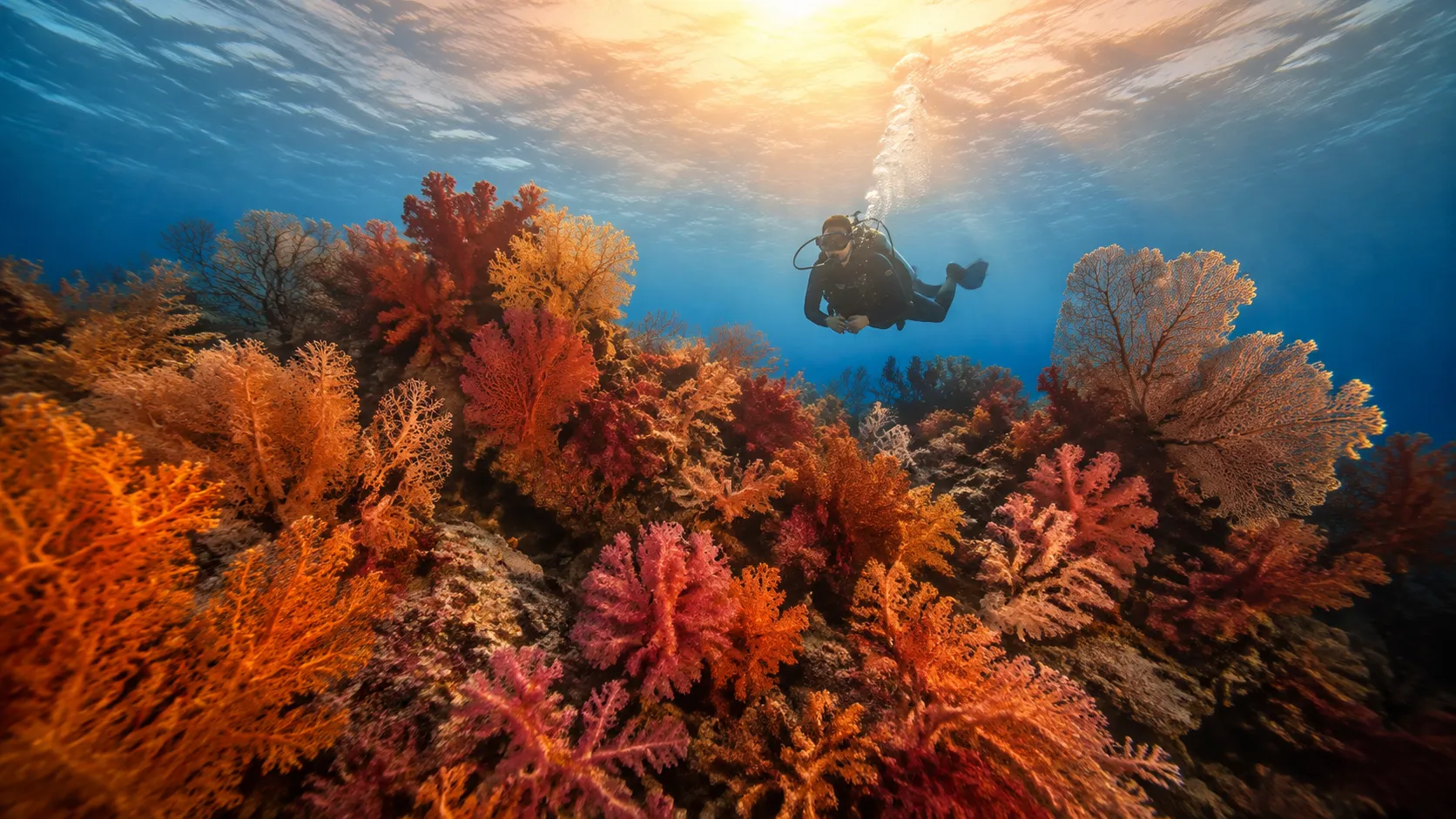
Fiji
Fiji - 5/5 coral reefs
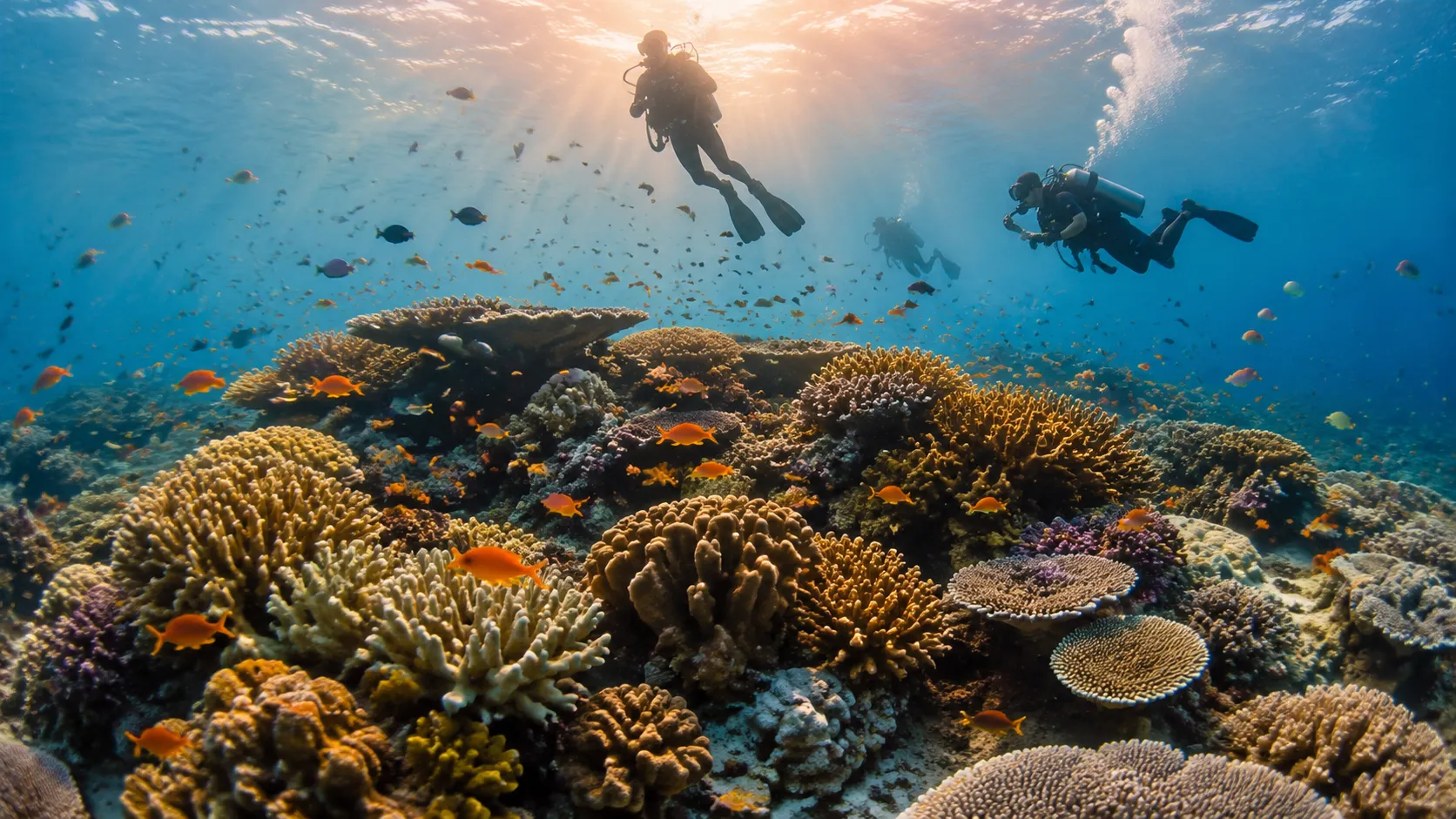
Kimbe Bay
Papua New Guinea - 5/5 coral reefs
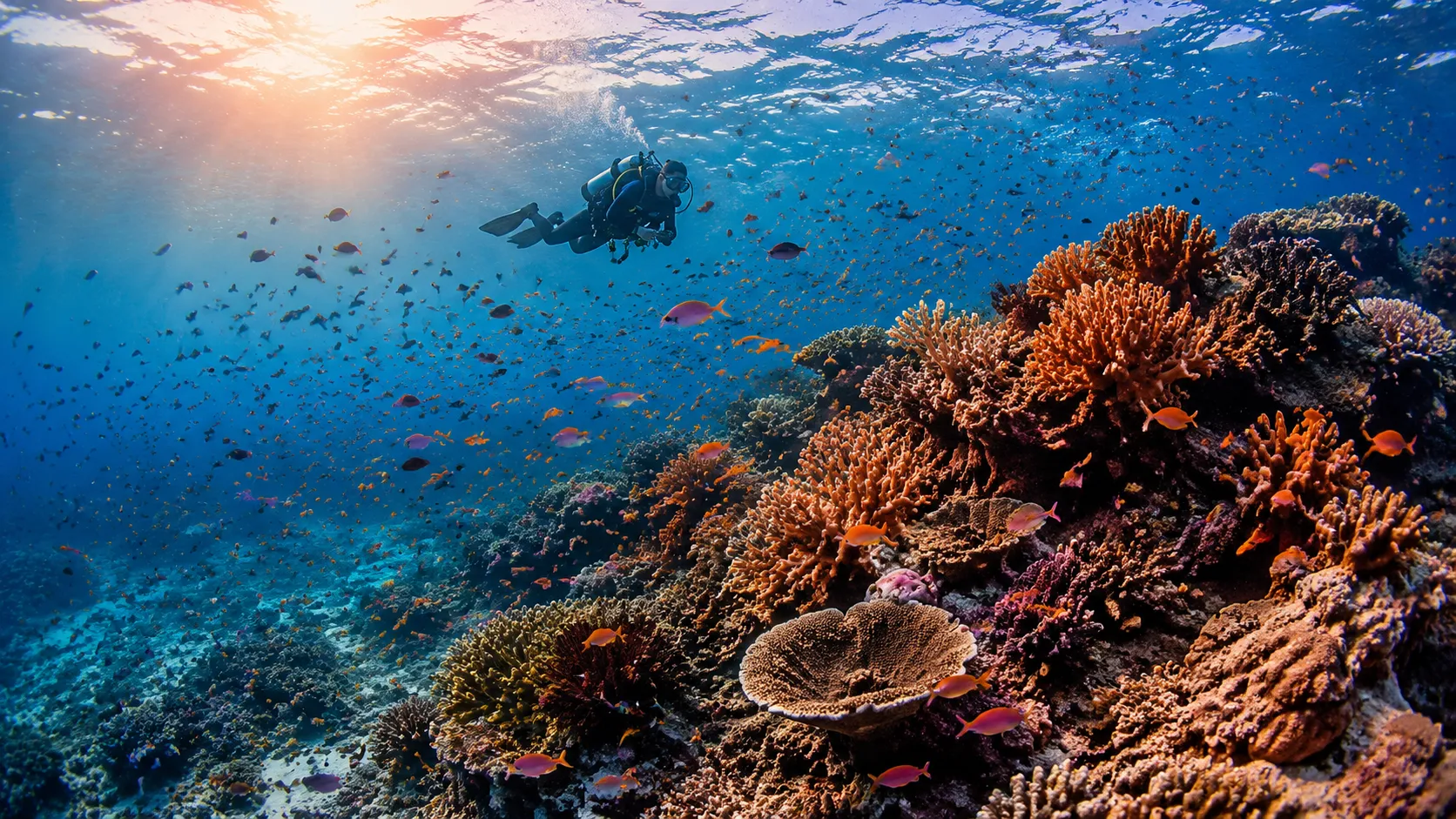
Raja Ampat
Indonesia - 5/5 coral reefs
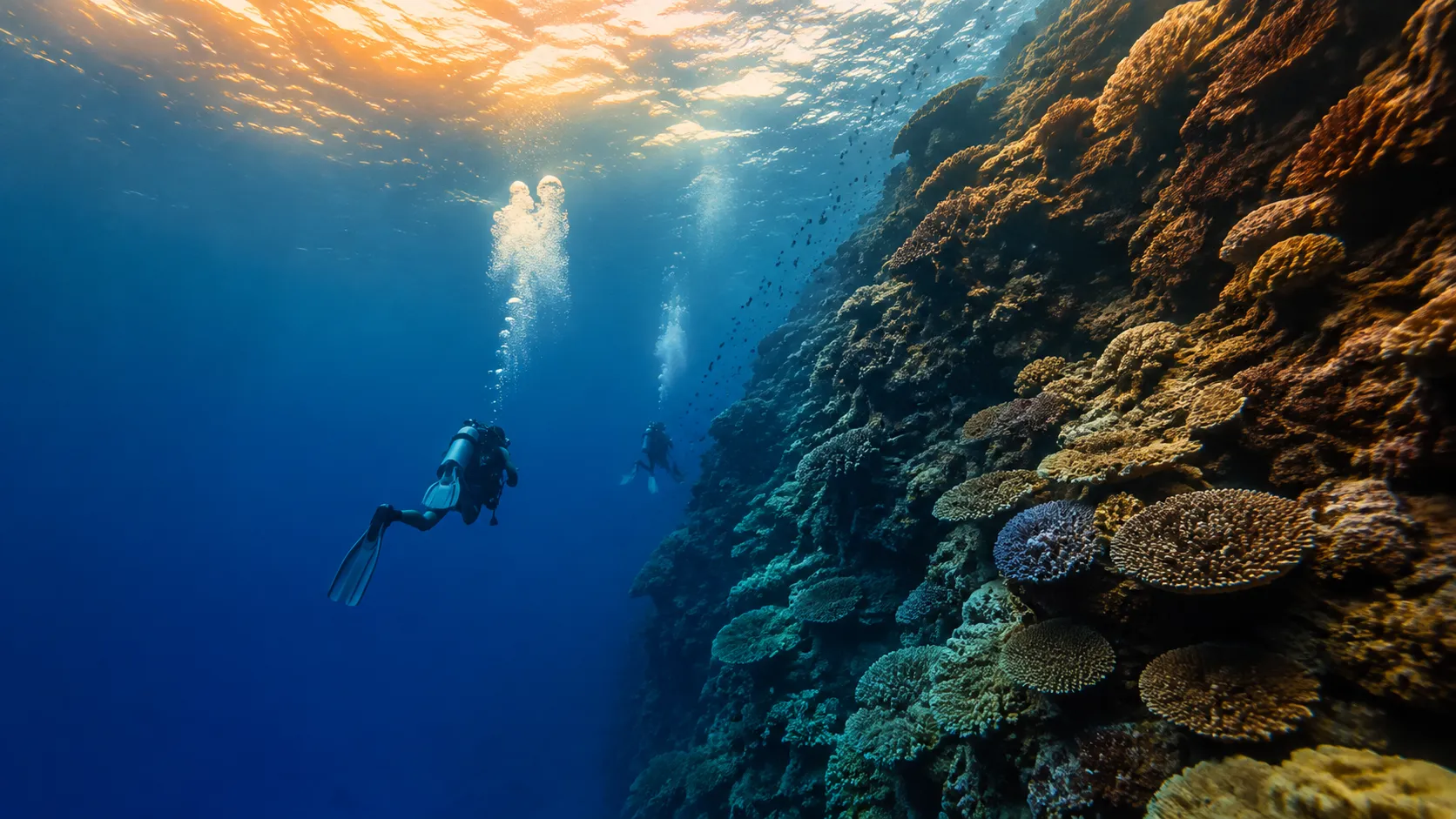
Tubbataha Reefs
Philippines - 5/5 coral reefs
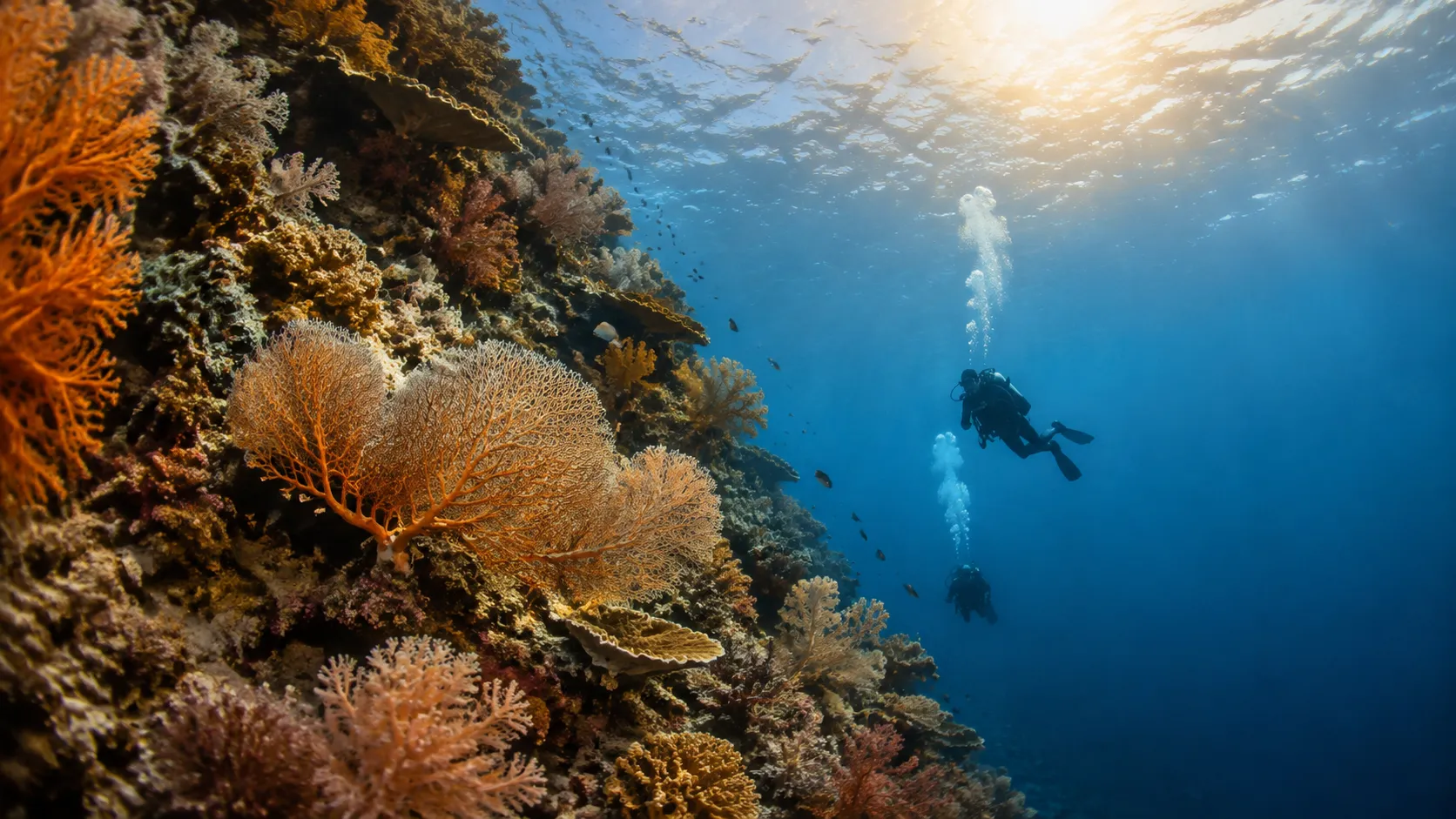
Wakatobi
Indonesia - 5/5 coral reefs
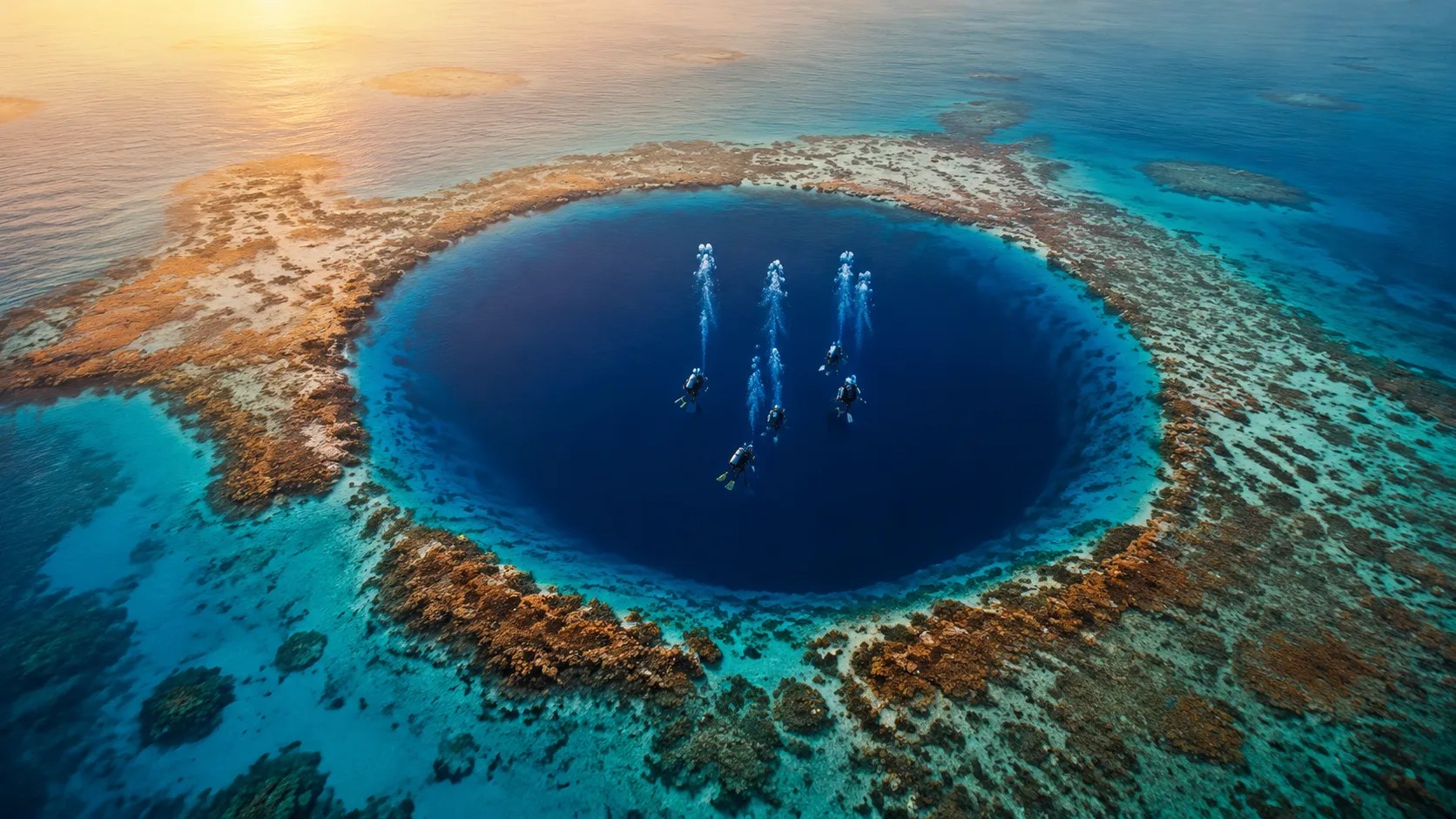
Belize Barrier Reef
Belize - 4/5 coral reefs
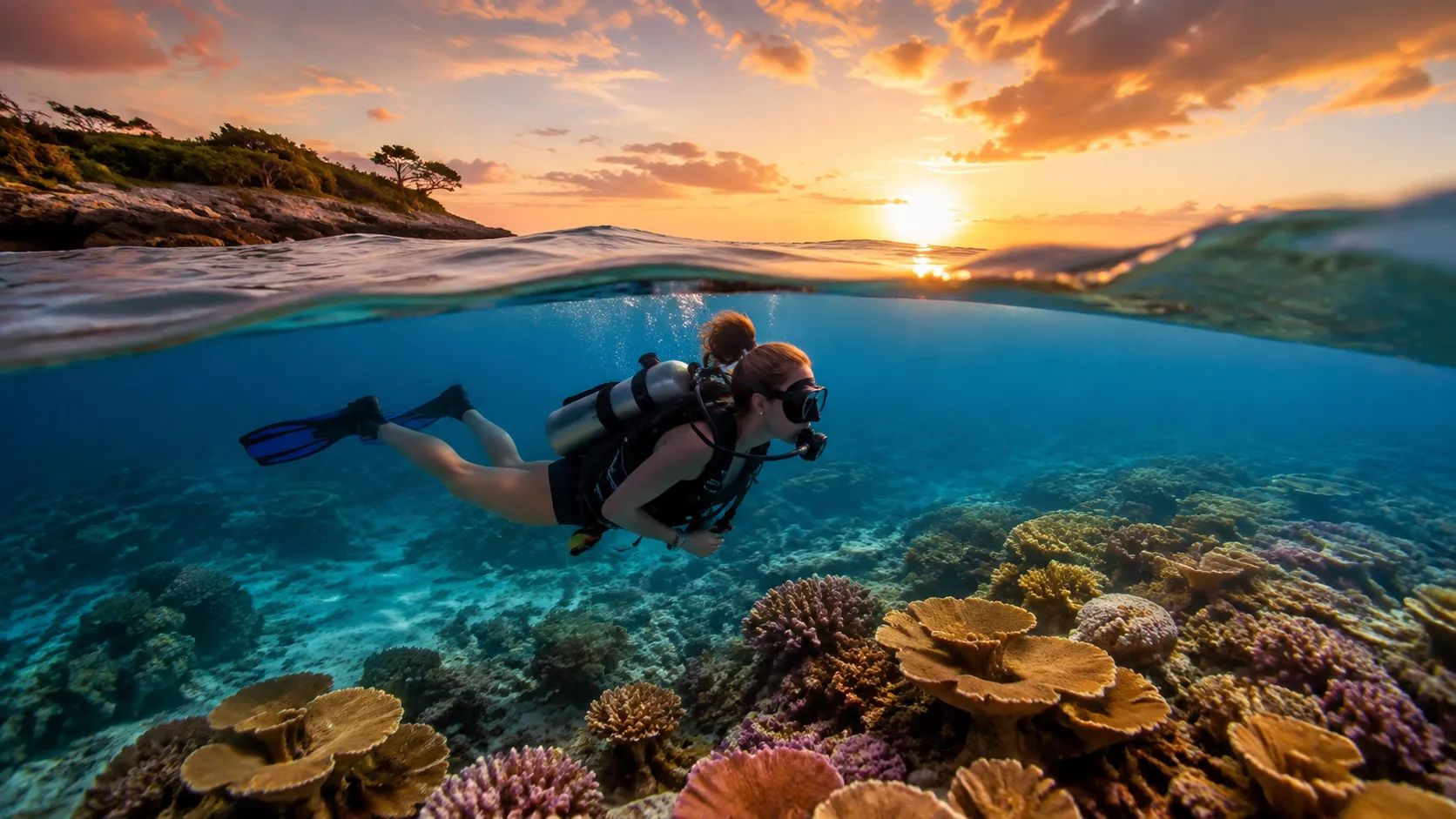
Bonaire
Bonaire - 4/5 coral reefs
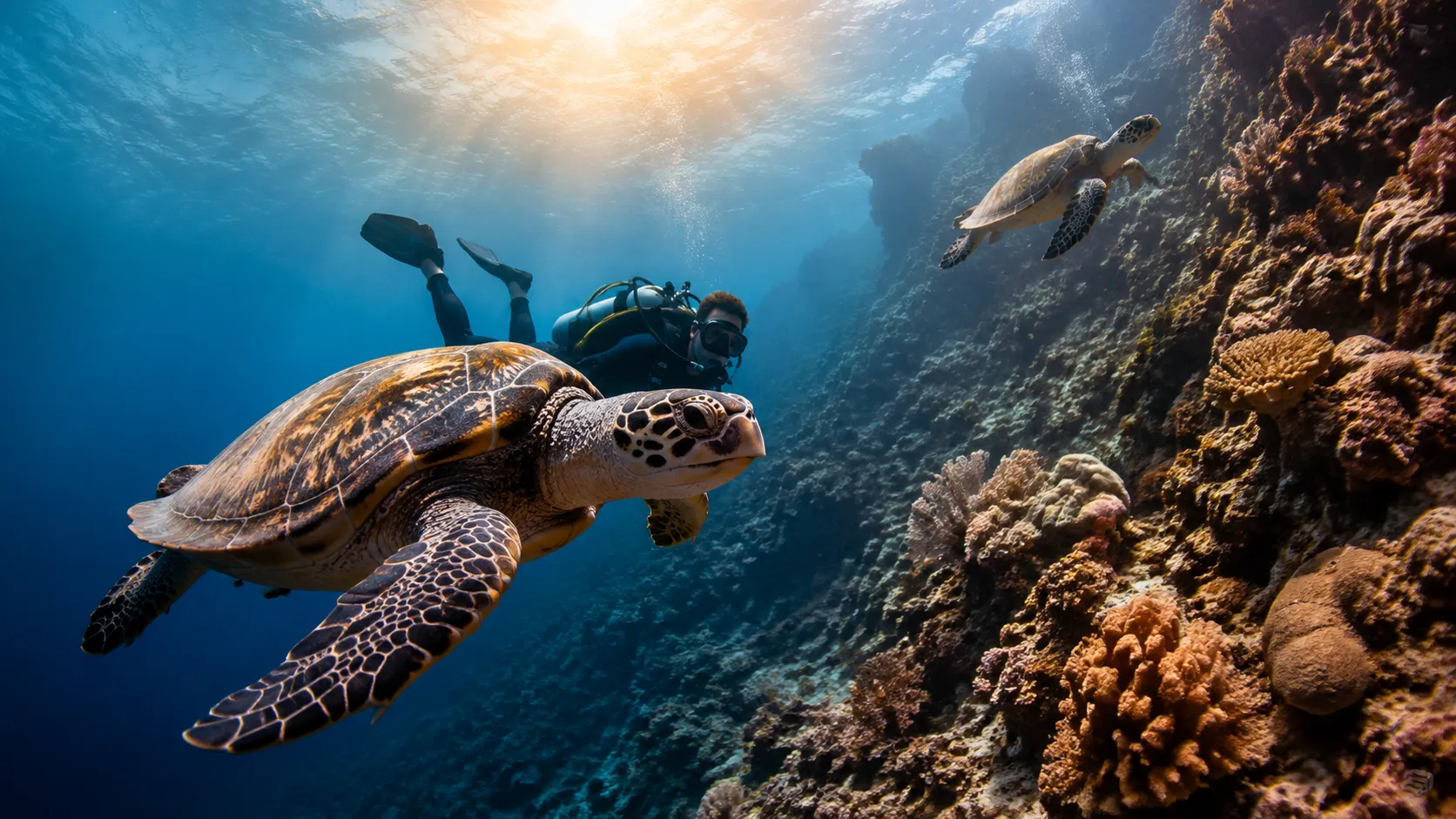
Cozumel
Mexico - 4/5 coral reefs
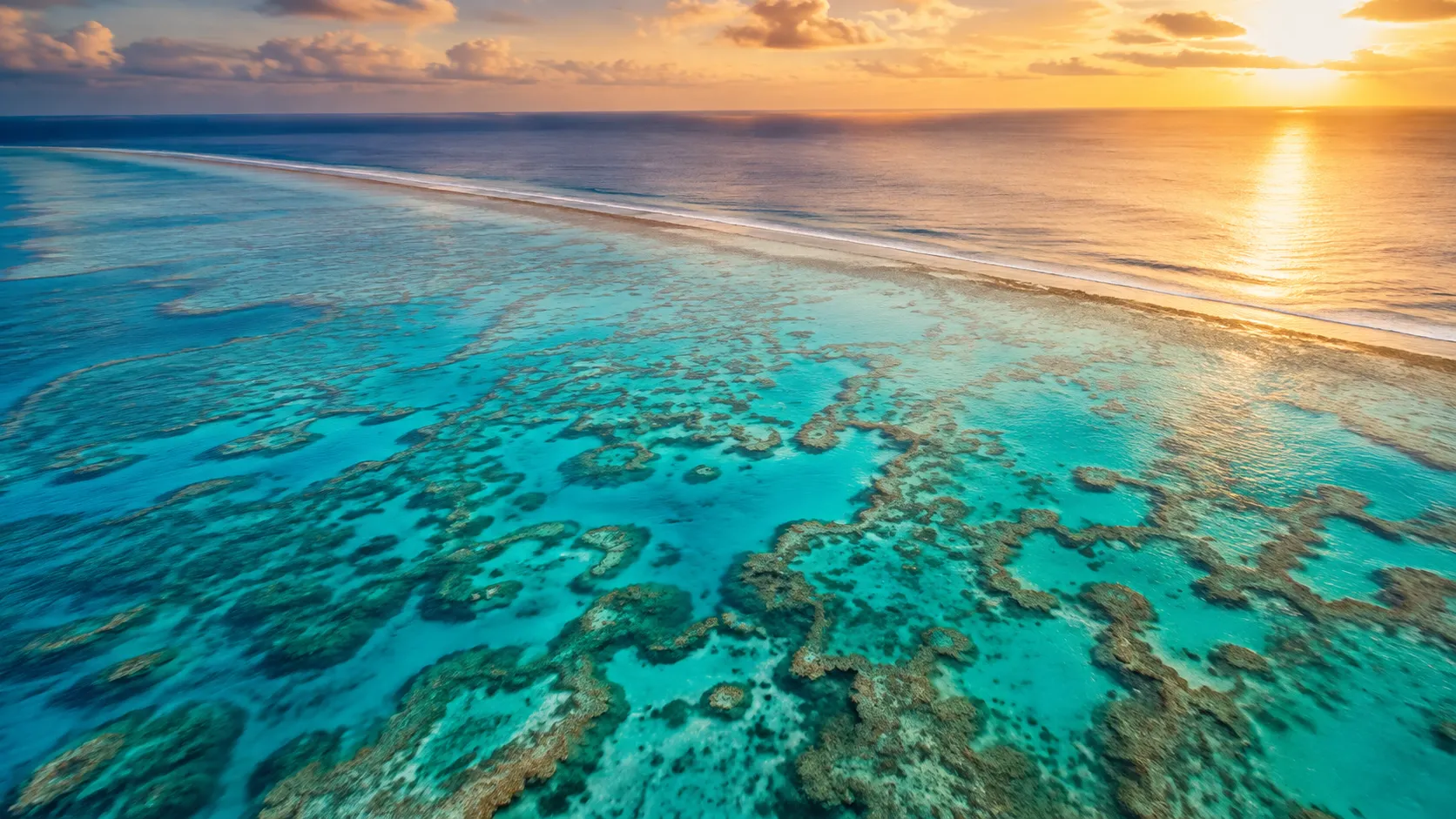
Great Barrier Reef
Australia - 4/5 coral reefs
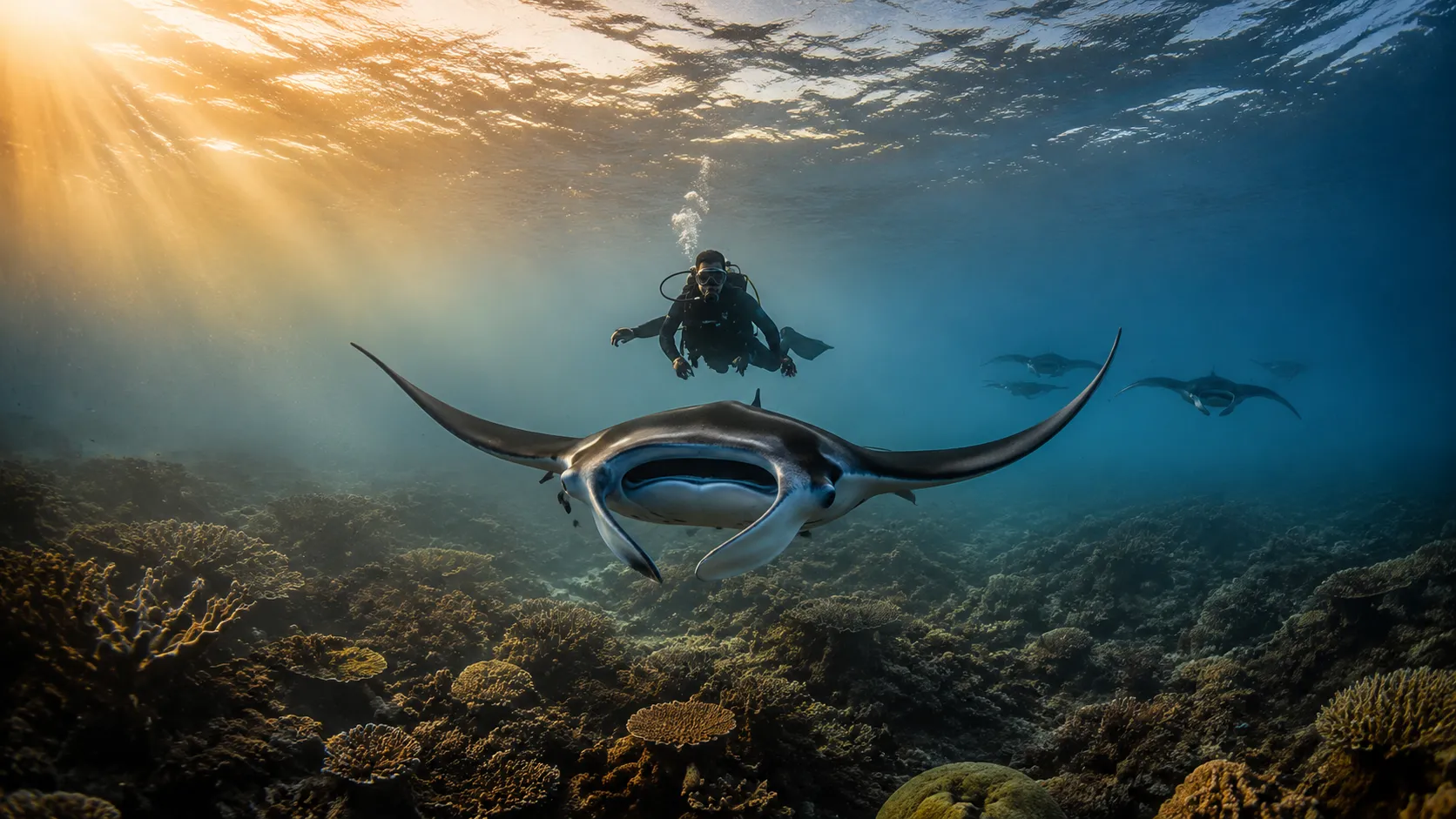
Komodo National Park
Indonesia - 4/5 coral reefs
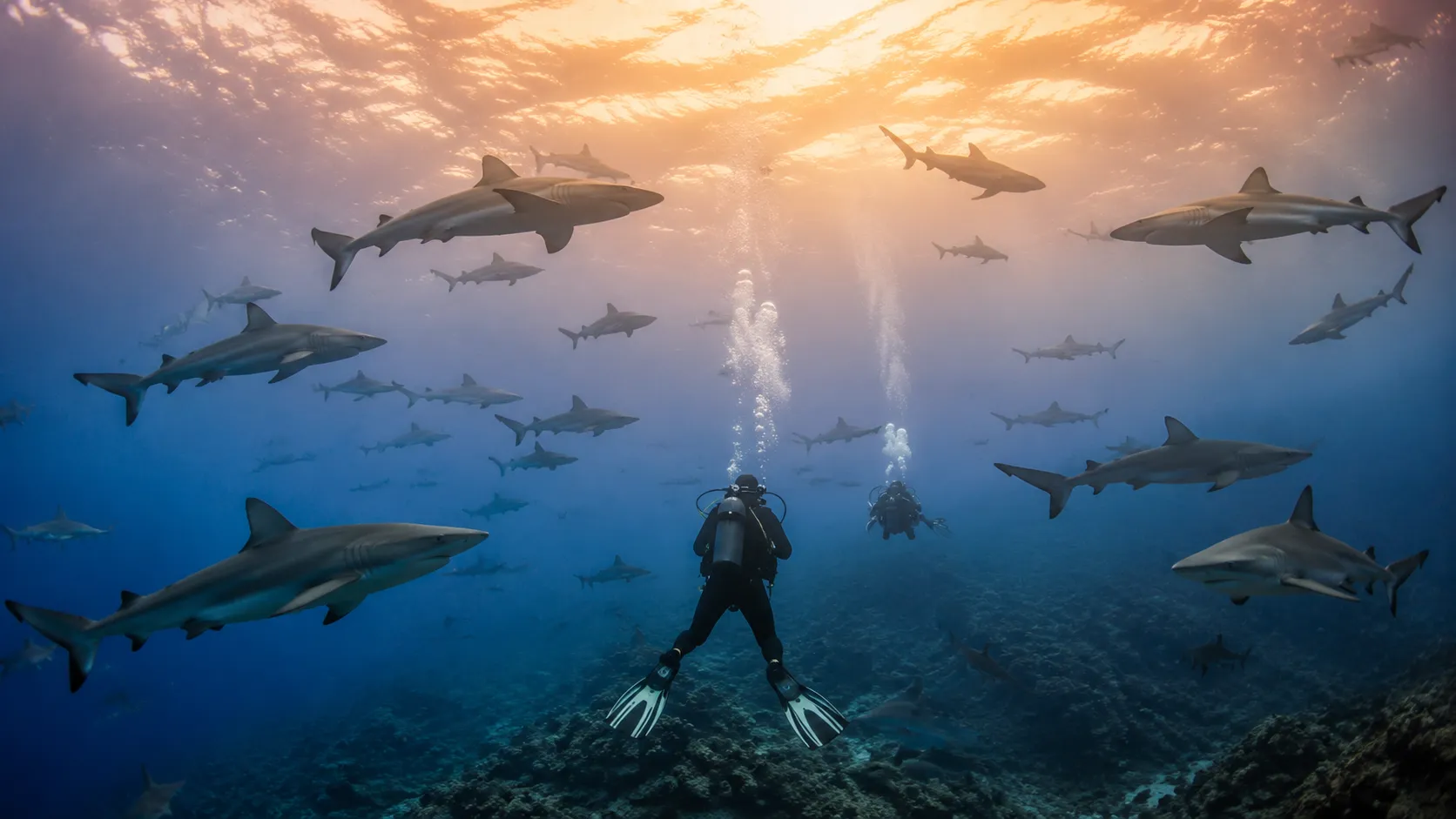
Palau
Palau - 4/5 coral reefs
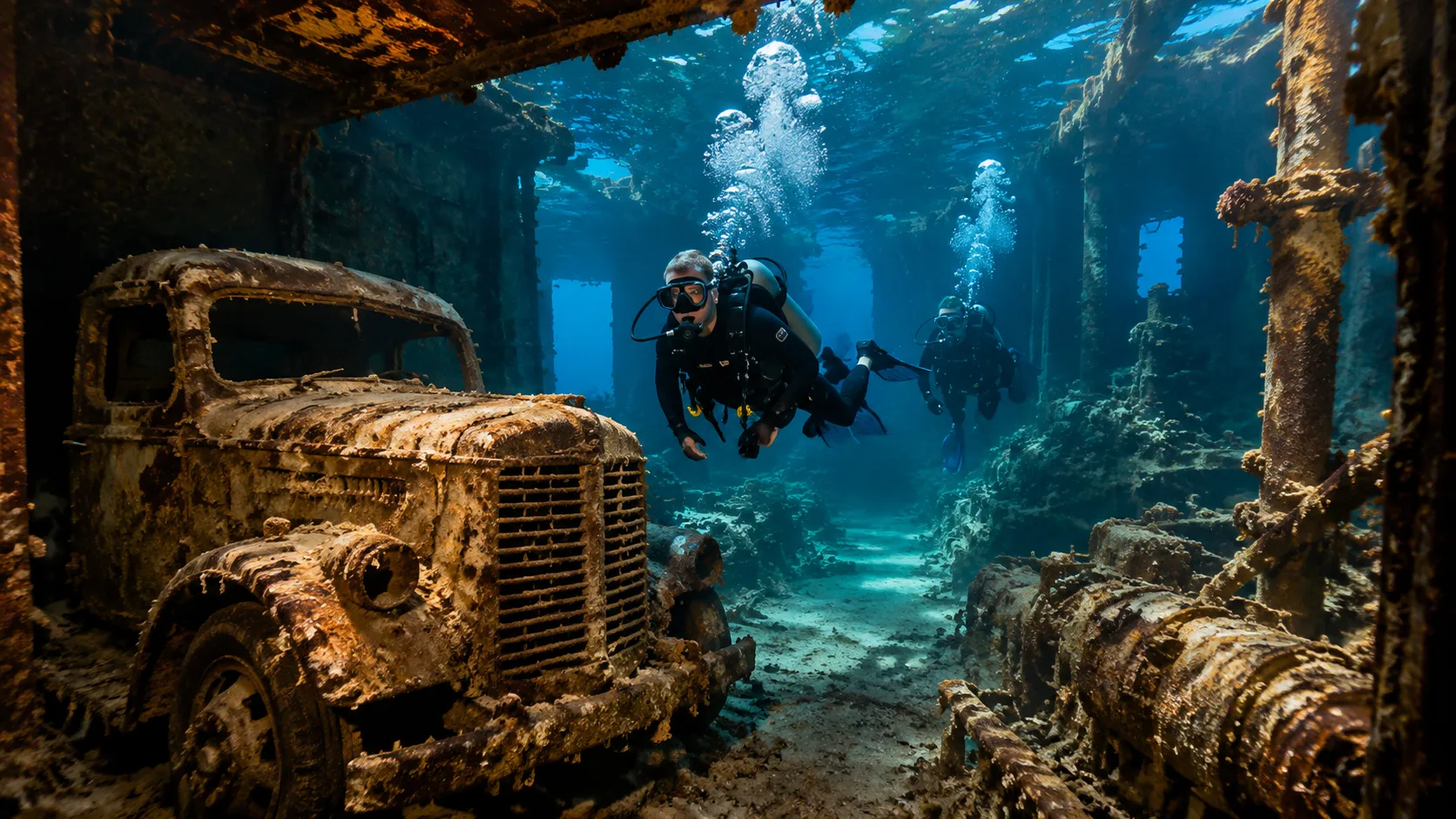
Ras Mohammed
Egypt - 4/5 coral reefs
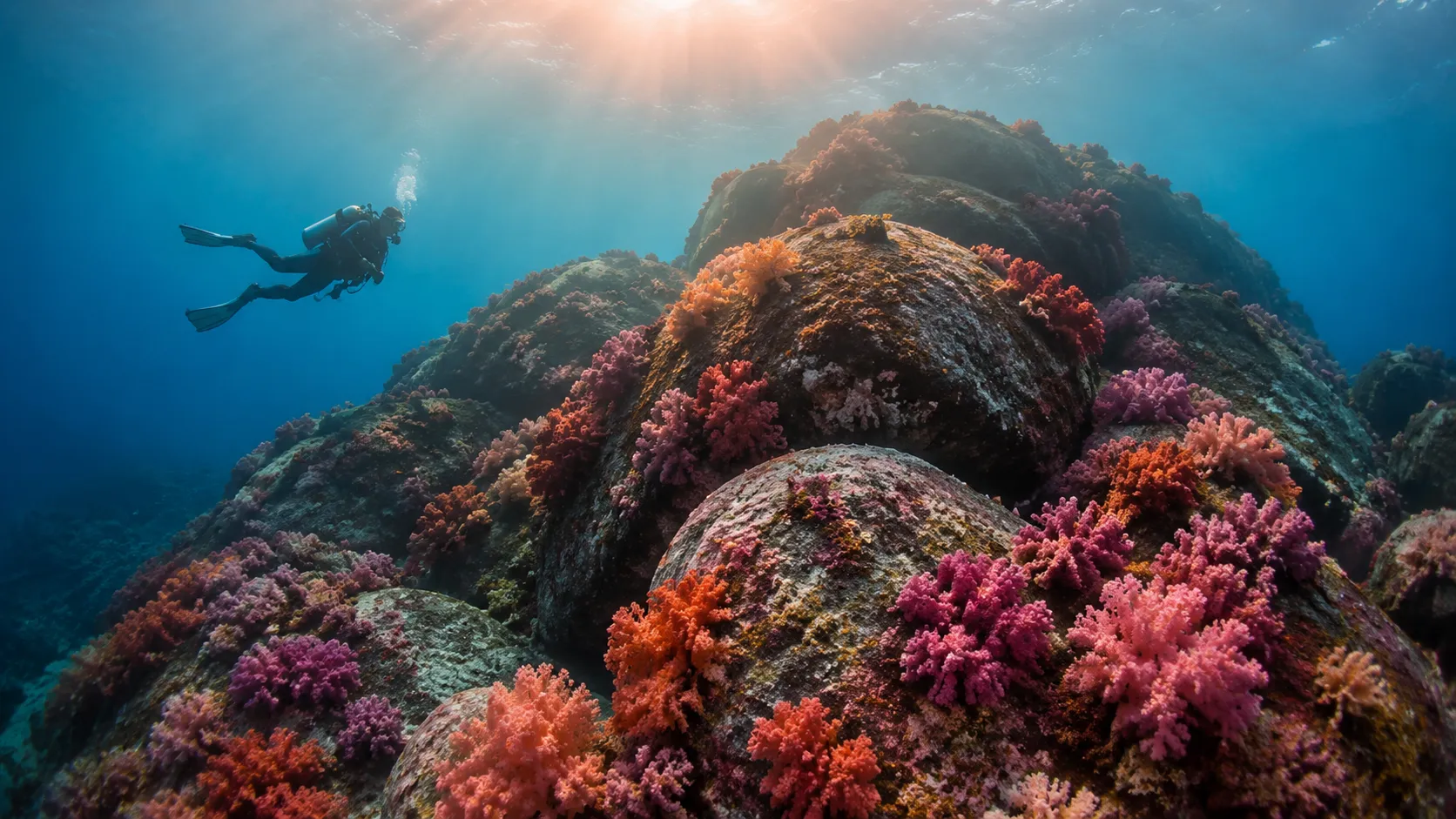
Similan Islands
Thailand - 4/5 coral reefs
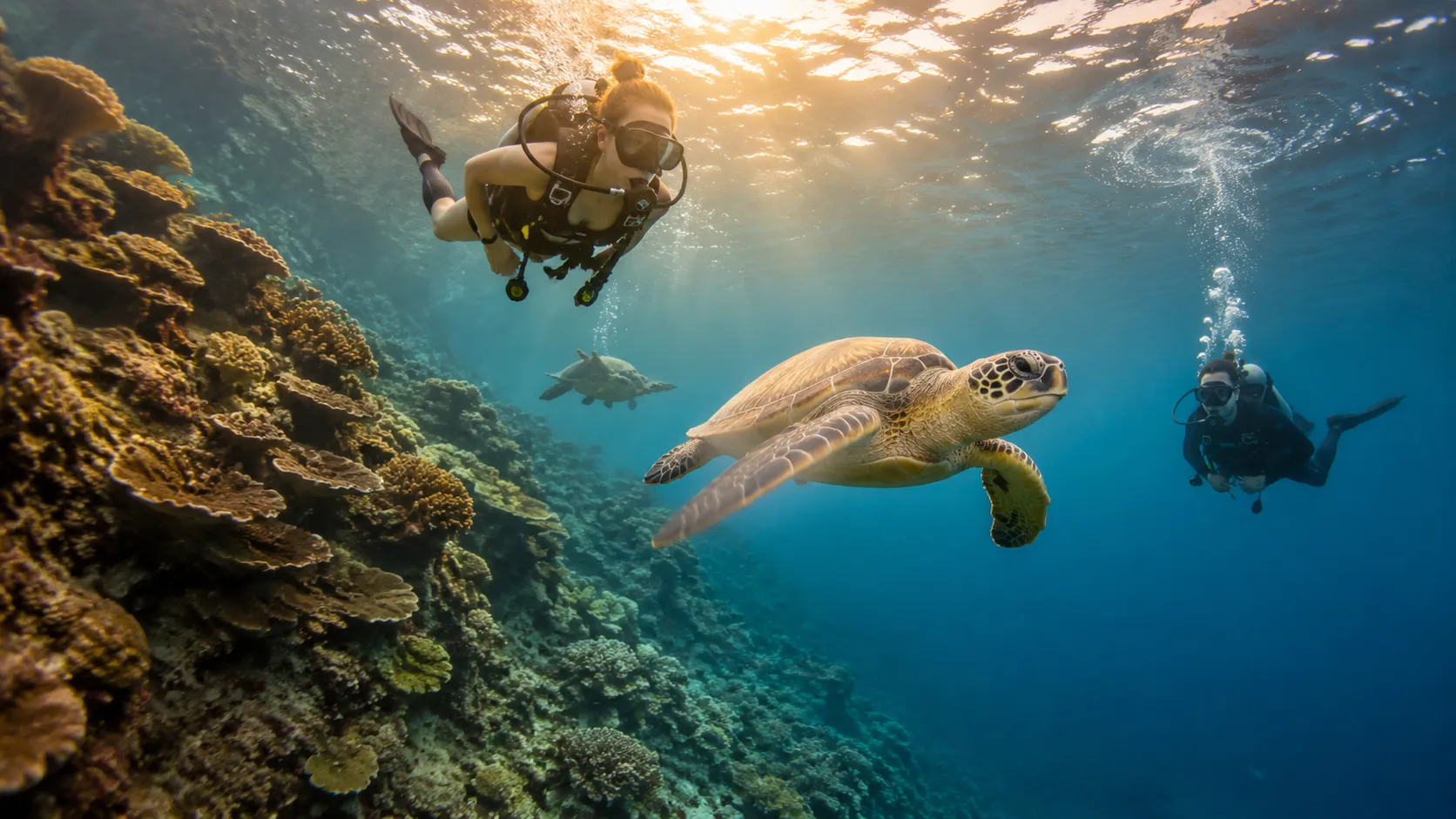
Sipadan
Malaysia - 4/5 coral reefs
The Top Coral Reefs Experiences in Detail
Why these destinations earned a 4+ score for coral reefs, combining community ratings with our editorial research.
Fiji, Fiji - 5/5 coral reefs
The soft coral capital of the world with the famous Beqa Lagoon shark dive.
Rated 4.5/5 overall with 30m visibility and 27°C water, Fiji is best dived from Apr, May, Jun, Jul, Aug, Sep, Oct. The signature sites for coral reefs are Beqa Lagoon and The Great White Wall. Its beginner difficulty profile and mid_range pricing tier make it accessible to divers at the right experience level.
Kimbe Bay, Papua New Guinea - 5/5 coral reefs
The coral crucible - 60% of all Indo-Pacific coral species in a single bay.
Rated 4.6/5 overall with 25m visibility and 28°C water, Kimbe Bay is best dived from Apr, May, Jun, Jul, Aug, Sep, Oct, Nov, Dec. The signature sites for coral reefs are Inglis Shoal. Its beginner difficulty profile and premium pricing tier make it accessible to divers at the right experience level.
Raja Ampat, Indonesia - 5/5 coral reefs
The epicenter of marine biodiversity - the Amazon of the seas.
Rated 4.9/5 overall with 30m visibility and 28°C water, Raja Ampat is best dived from Oct, Nov, Dec, Jan, Feb, Mar, Apr. The signature sites for coral reefs are Cape Kri and Manta Sandy. Its intermediate difficulty profile and luxury pricing tier make it accessible to divers at the right experience level.
Tubbataha Reefs, Philippines - 5/5 coral reefs
The crown jewel of the Philippines - only accessible by liveaboard, and worth every mile.
Rated 4.8/5 overall with 35m visibility and 28°C water, Tubbataha Reefs is best dived from Mar, Apr, May, Jun. The signature sites for coral reefs are Amos Rock and Wall Street. Its intermediate difficulty profile and premium pricing tier make it accessible to divers at the right experience level.
Wakatobi, Indonesia - 5/5 coral reefs
Private house reef luxury with pristine walls and protected marine reserve.
Rated 4.5/5 overall with 30m visibility and 28°C water, Wakatobi is best dived from Mar, Apr, May, Jun, Sep, Oct, Nov, Dec. The signature sites for coral reefs are House Reef and Blade. Its beginner difficulty profile and luxury pricing tier make it accessible to divers at the right experience level.
Belize Barrier Reef, Belize - 4/5 coral reefs
The Great Blue Hole and the largest barrier reef in the northern hemisphere.
Rated 4.4/5 overall with 25m visibility and 27°C water, Belize Barrier Reef is best dived from Mar, Apr, May, Jun. The signature sites for coral reefs are Great Blue Hole and Gladden Spit. Its beginner difficulty profile and mid_range pricing tier make it accessible to divers at the right experience level.
Bonaire, Bonaire - 4/5 coral reefs
Shore diving freedom - the world's best self-guided dive destination.
Rated 4.6/5 overall with 25m visibility and 27°C water, Bonaire is best dived from Jan, Feb, Mar, Apr, May, Jun, Jul, Aug, Sep, Oct, Nov, Dec. The signature sites for coral reefs are Hilma Hooker and Salt Pier. Its beginner difficulty profile and mid_range pricing tier make it accessible to divers at the right experience level.
Cozumel, Mexico - 4/5 coral reefs
The drift diving capital with endless walls, turtles, and easy Caribbean access.
Rated 4.3/5 overall with 30m visibility and 27°C water, Cozumel is best dived from Dec, Jan, Feb, Mar, Apr, May. The signature sites for coral reefs are Palancar Reef and Santa Rosa Wall. Its beginner difficulty profile and mid_range pricing tier make it accessible to divers at the right experience level.
Great Barrier Reef, Australia - 4/5 coral reefs
The world's largest living structure - 2,300 kilometers of underwater wilderness.
Rated 4.5/5 overall with 25m visibility and 26°C water, Great Barrier Reef is best dived from Jun, Jul, Aug, Sep, Oct, Nov. The signature sites for coral reefs are Cod Hole and Osprey Reef. Its beginner difficulty profile and mid_range pricing tier make it accessible to divers at the right experience level.
Komodo National Park, Indonesia - 4/5 coral reefs
The wild heart of the Coral Triangle - where dragons meet dragons of the deep.
Rated 4.8/5 overall with 25m visibility and 27°C water, Komodo National Park is best dived from Apr, May, Jun, Jul, Aug, Sep, Oct, Nov. The signature sites for coral reefs are Batu Bolong and Manta Alley. Its advanced difficulty profile and mid_range pricing tier make it accessible to divers at the right experience level.
Quick Comparison: Coral Reefs Destinations
Side-by-side stats for every destination rated 4+ for coral reefs.
| Destination | Coral Reefs score | Rating | Visibility | Temp | Best months | Difficulty |
|---|---|---|---|---|---|---|
| Fiji | 5/5 | 4.5/5 | 30m | 27°C | Apr, May, Jun, Jul, Aug, Sep, Oct | beginner |
| Kimbe Bay | 5/5 | 4.6/5 | 25m | 28°C | Apr, May, Jun, Jul, Aug, Sep, Oct, Nov, Dec | beginner |
| Raja Ampat | 5/5 | 4.9/5 | 30m | 28°C | Oct, Nov, Dec, Jan, Feb, Mar, Apr | intermediate |
| Tubbataha Reefs | 5/5 | 4.8/5 | 35m | 28°C | Mar, Apr, May, Jun | intermediate |
| Wakatobi | 5/5 | 4.5/5 | 30m | 28°C | Mar, Apr, May, Jun, Sep, Oct, Nov, Dec | beginner |
| Belize Barrier Reef | 4/5 | 4.4/5 | 25m | 27°C | Mar, Apr, May, Jun | beginner |
| Bonaire | 4/5 | 4.6/5 | 25m | 27°C | Jan, Feb, Mar, Apr, May, Jun, Jul, Aug, Sep, Oct, Nov, Dec | beginner |
| Cozumel | 4/5 | 4.3/5 | 30m | 27°C | Dec, Jan, Feb, Mar, Apr, May | beginner |
| Great Barrier Reef | 4/5 | 4.5/5 | 25m | 26°C | Jun, Jul, Aug, Sep, Oct, Nov | beginner |
| Komodo National Park | 4/5 | 4.8/5 | 25m | 27°C | Apr, May, Jun, Jul, Aug, Sep, Oct, Nov | advanced |
Frequently Asked Questions
What makes a coral reef rate 4+?
Our coral scores combine hard coral cover, diversity (100+ species), health (minimal bleaching), and fish density. The Coral Triangle destinations - Raja Ampat, Kimbe Bay, Tubbataha - hold 75% of the world's coral species, while Fiji and the Red Sea contribute exceptional reef structure and colour.
Which destination has the best corals?
Raja Ampat is the undisputed leader with 600+ coral species and 1,500+ fish species. Tubbataha Reefs Natural Park offers pristine, protected walls untouched by coastal development, and Kimbe Bay in Papua New Guinea holds the world's highest coral diversity per square meter.
How does climate change affect these reefs?
Bleaching events are real, but the reefs in this collection sit mostly in current-rich, deep-water zones that recover faster and stay cooler than coastal reefs. Marine protected areas like Tubbataha and Raja Ampat enforce no-take rules that keep ecosystems resilient. Dive operators also support reef restoration at several sites.
When should I visit for the healthiest corals?
Corals are healthiest during and just after the cool season, when bleaching risk is lowest: December to April across the tropics. Visibility averages 29m and water temperature 27°C in this collection. Avoid El Niño summers when sea surface temperatures spike.
Explore More Marine Life
Browse other species and related dive collections to plan your next trip.