Top Best Macro Diving Destinations
14 destinations, ranked by community rating
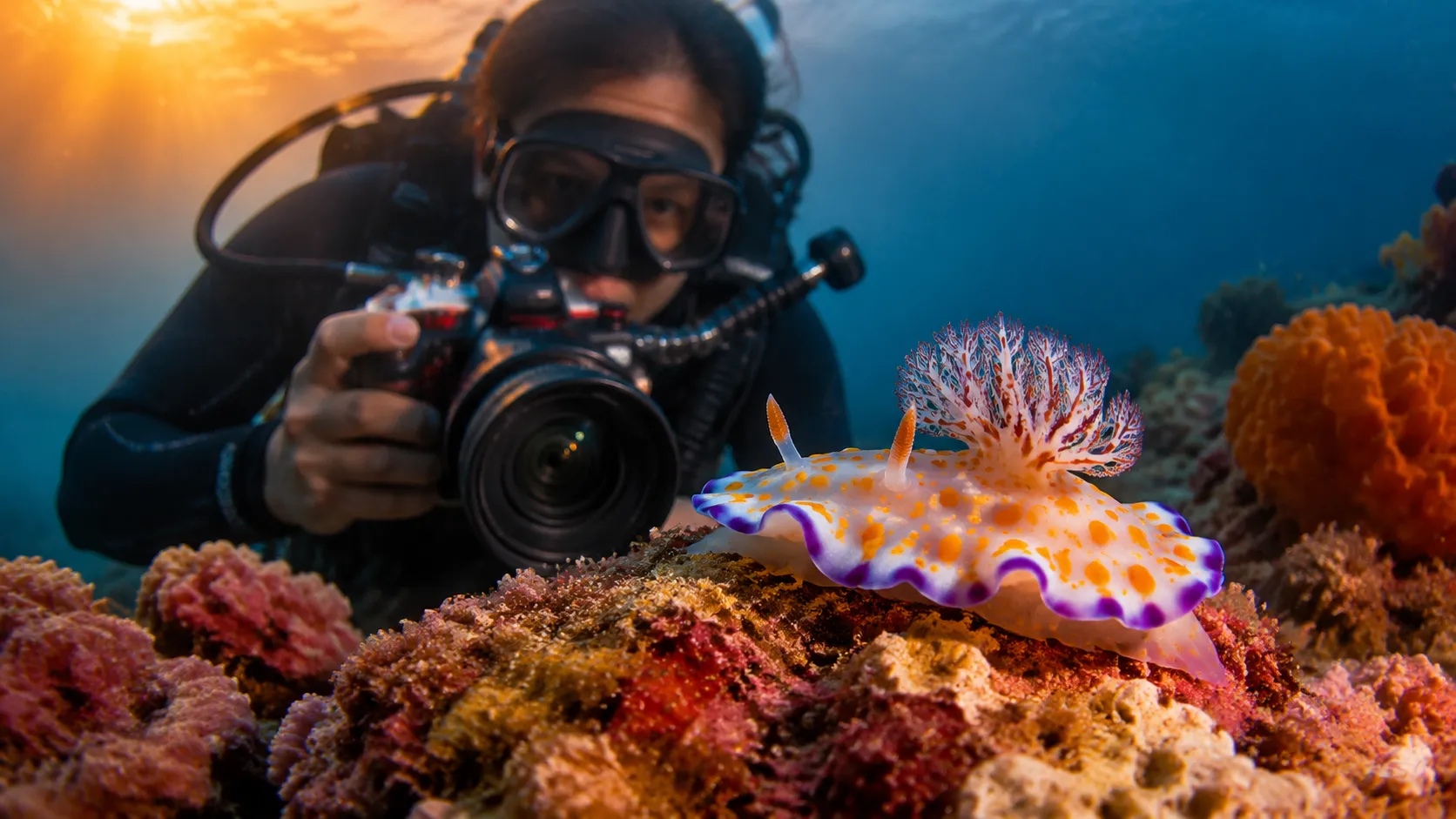
Anilao
Philippines - 4.4/5
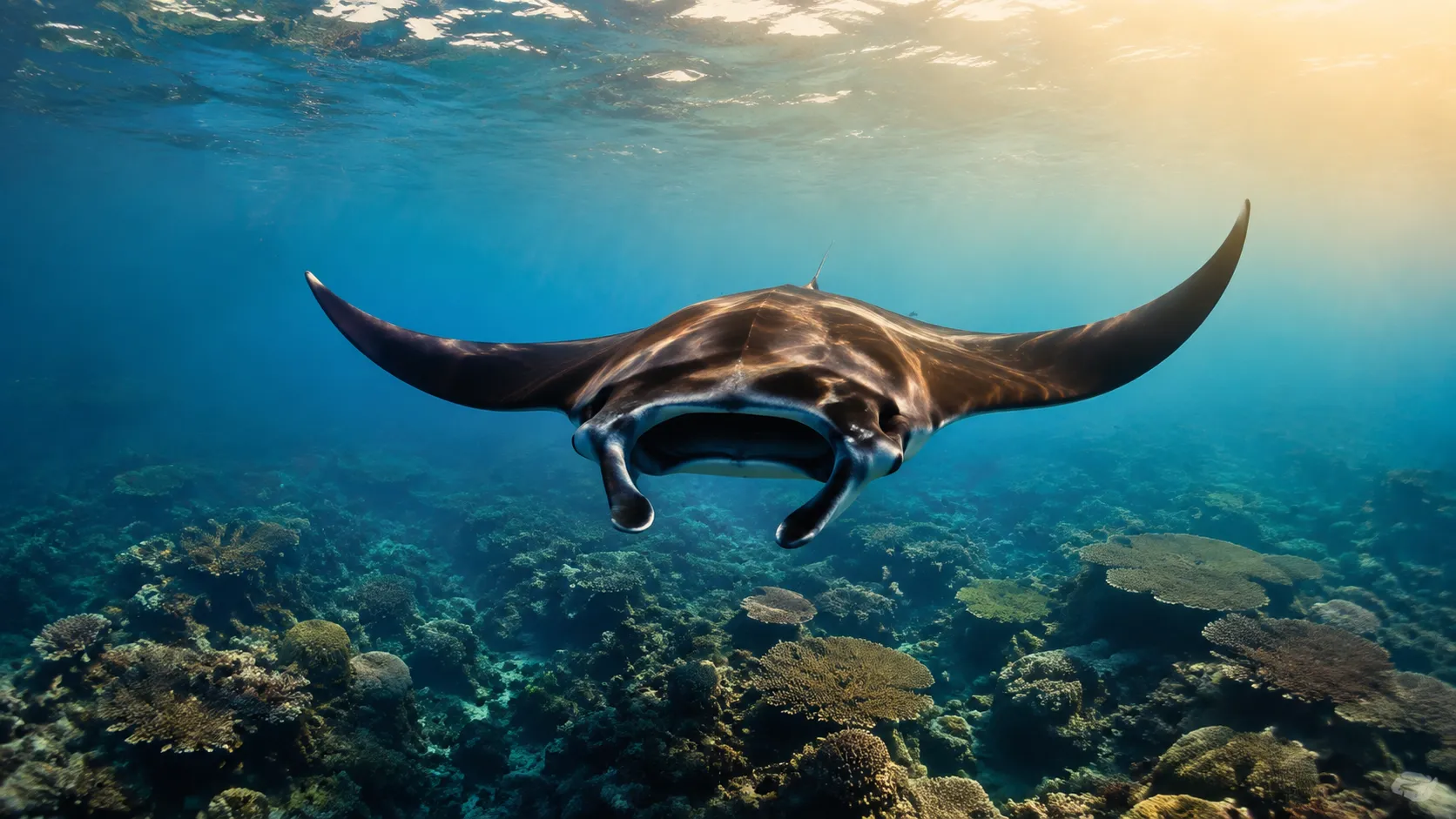
Bali
Indonesia - 4.2/5
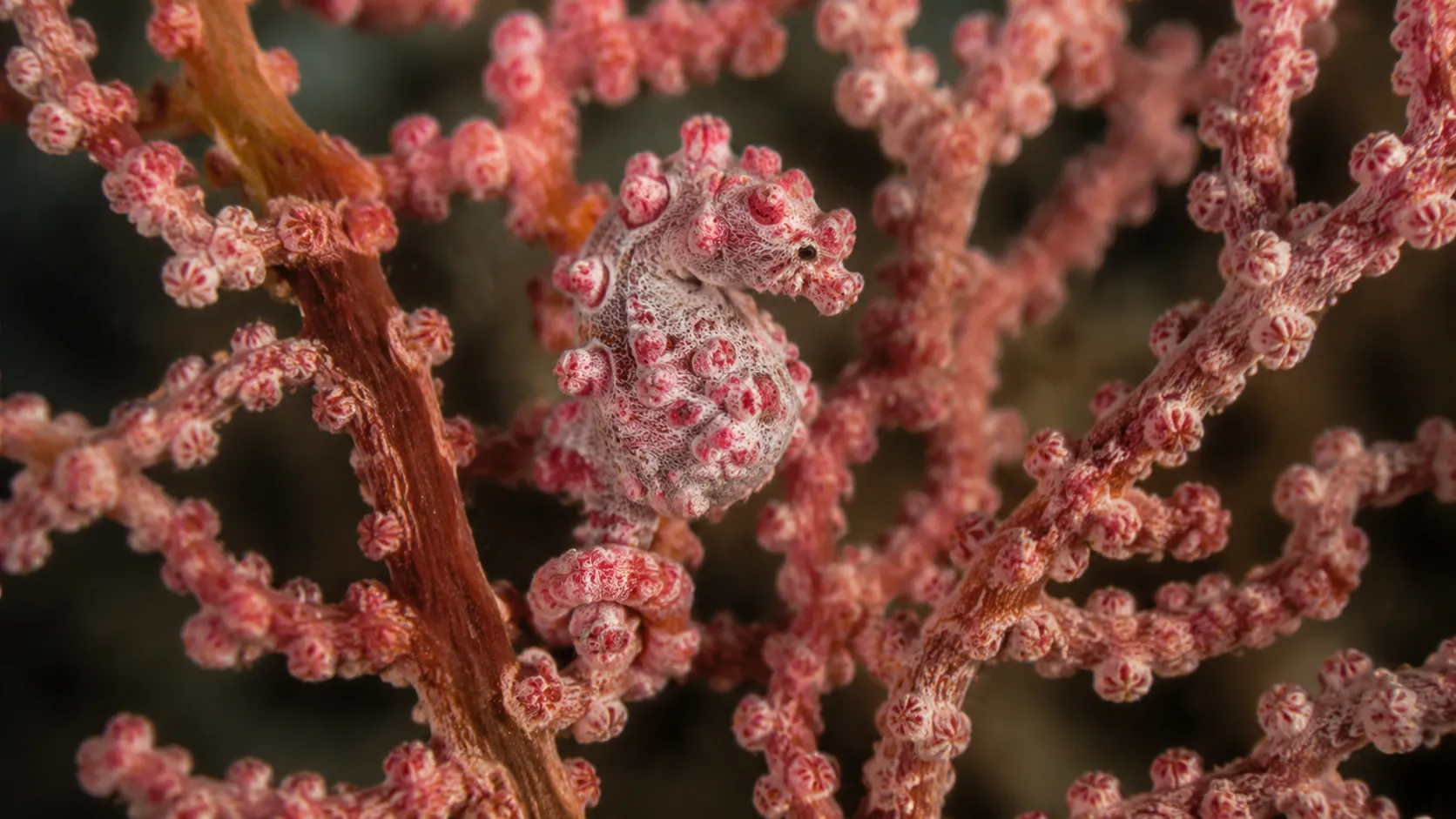
Lembeh Strait
Indonesia - 4.6/5
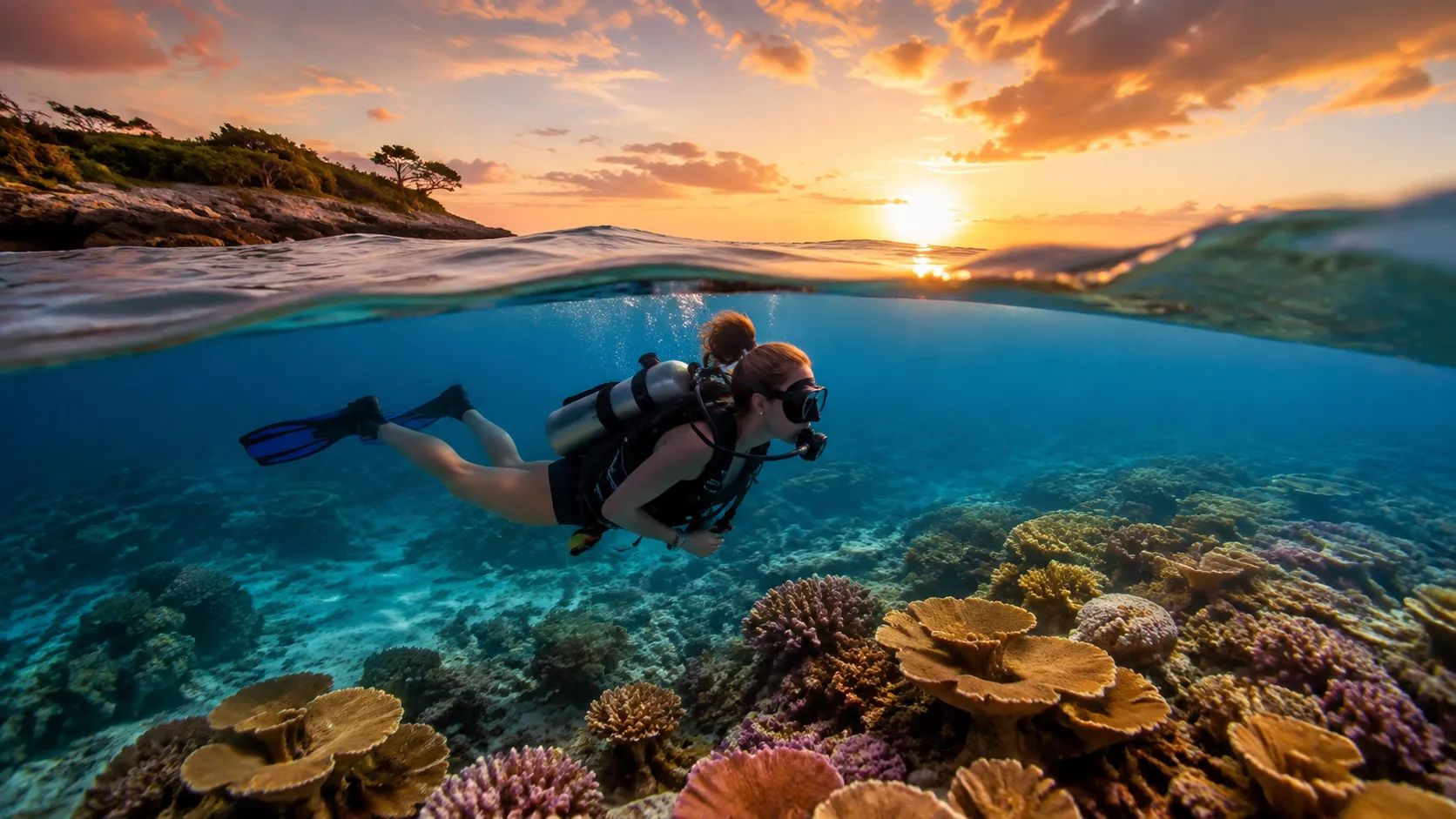
Bonaire
Bonaire - 4.6/5
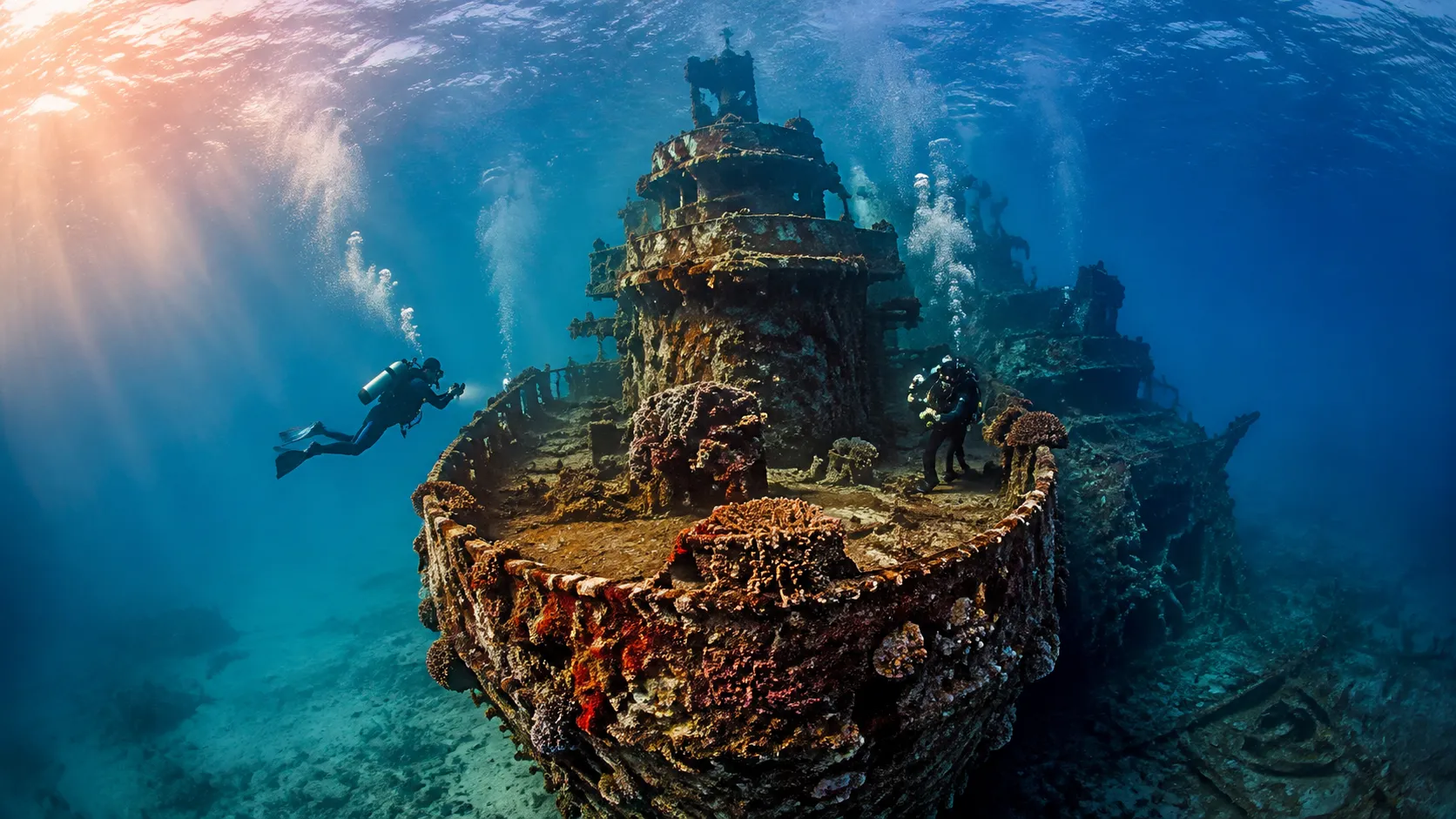
Chuuk Lagoon
Micronesia - 4.7/5
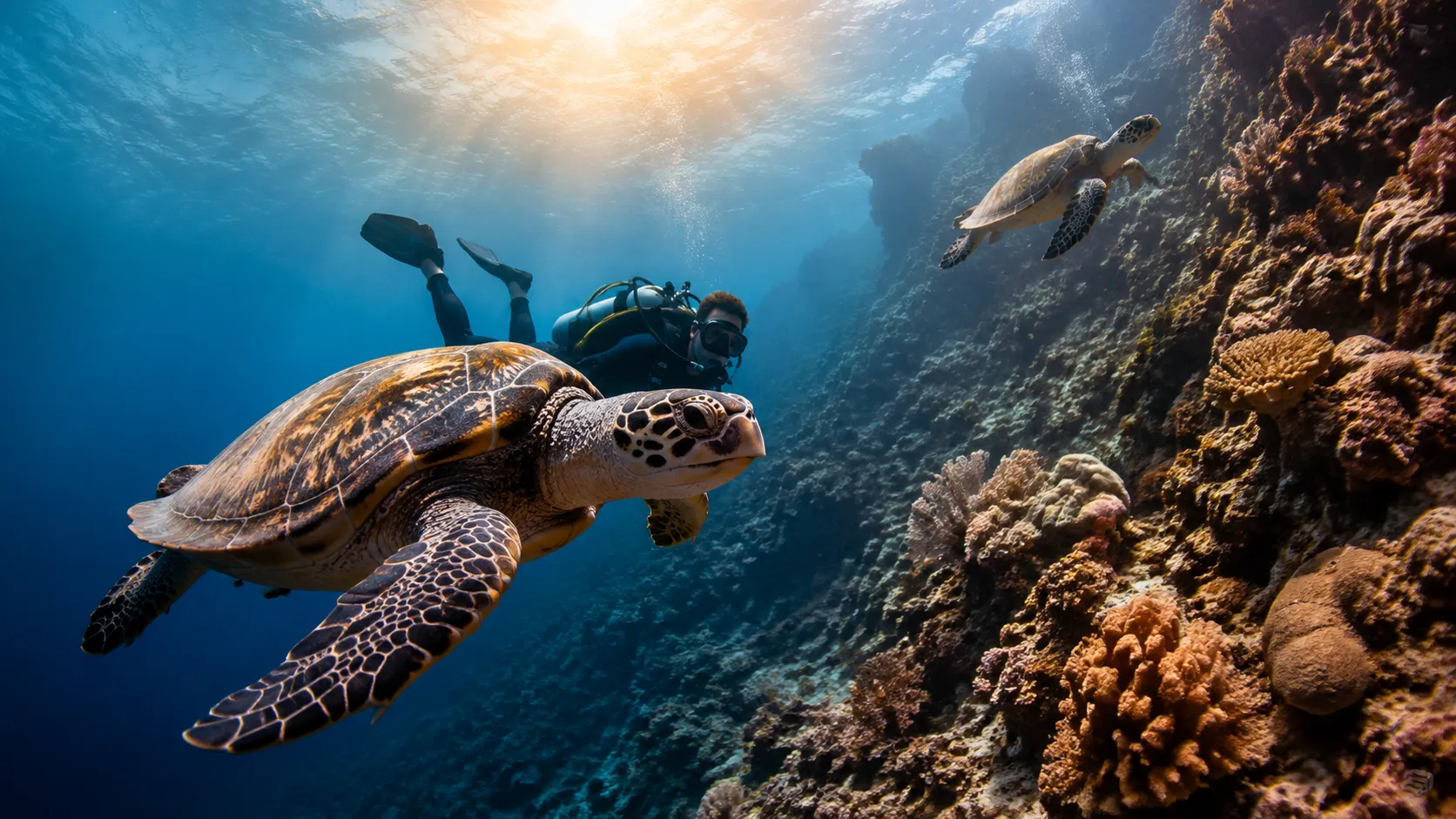
Cozumel
Mexico - 4.3/5
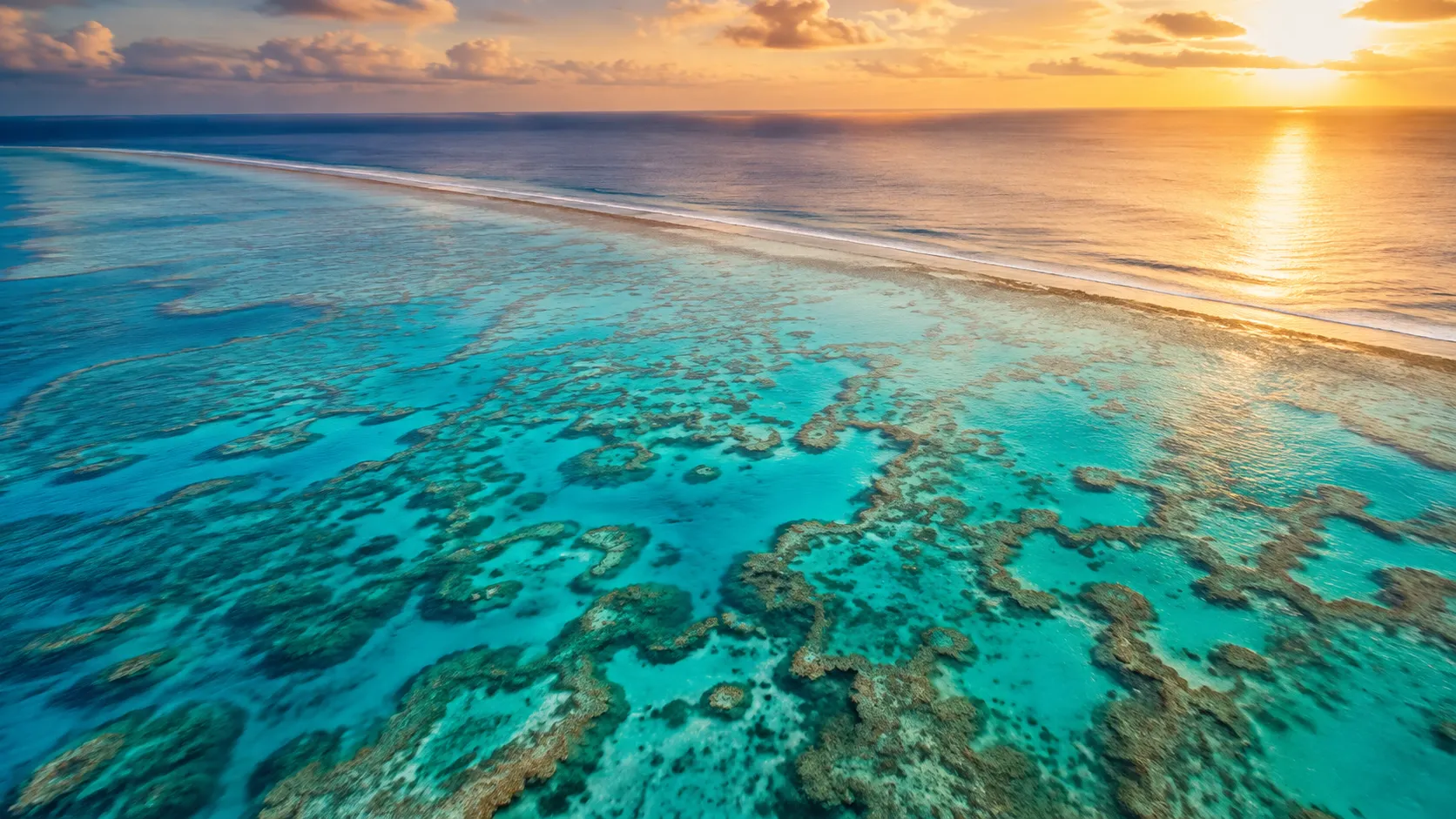
Great Barrier Reef
Australia - 4.5/5
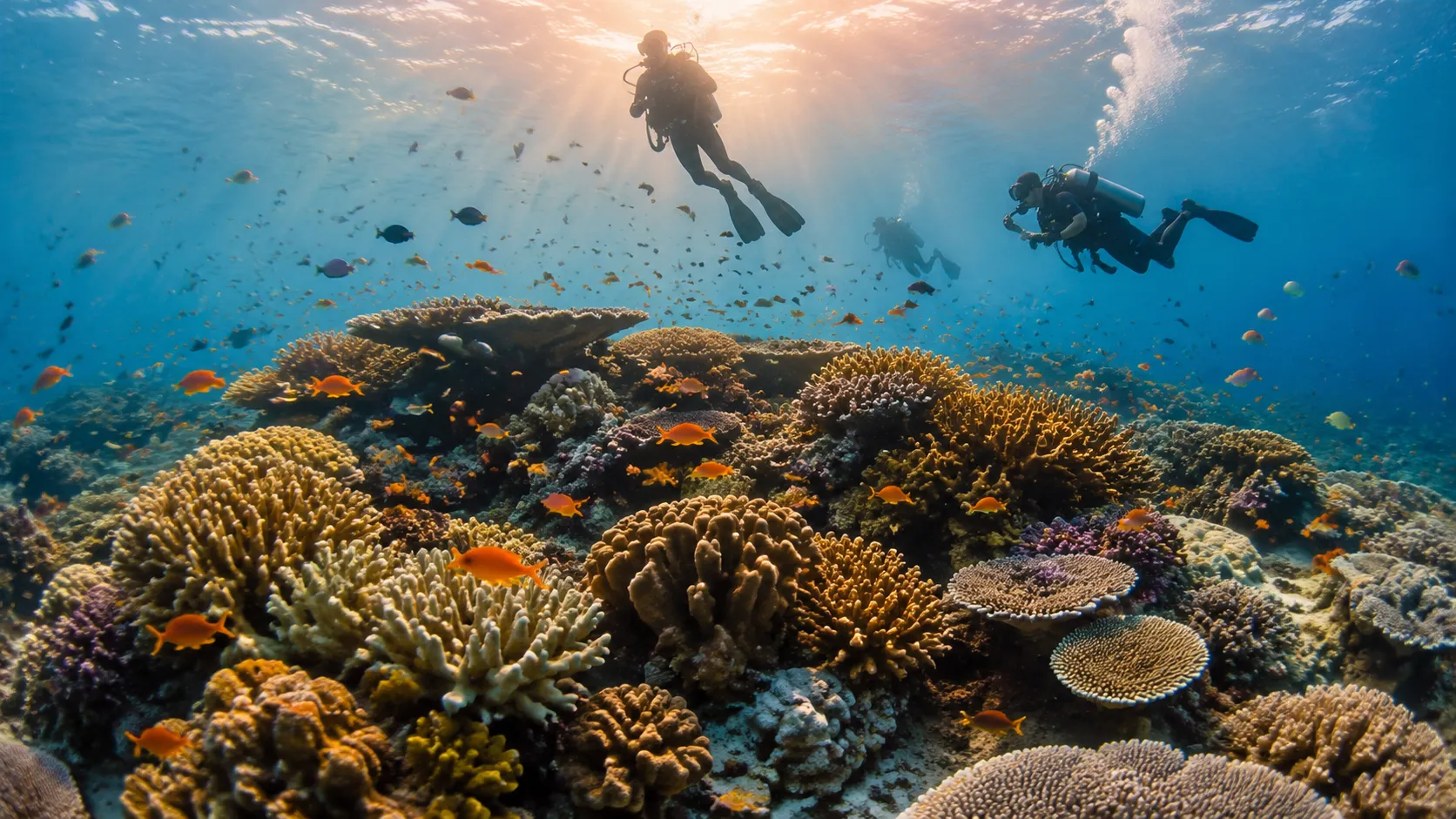
Kimbe Bay
Papua New Guinea - 4.6/5
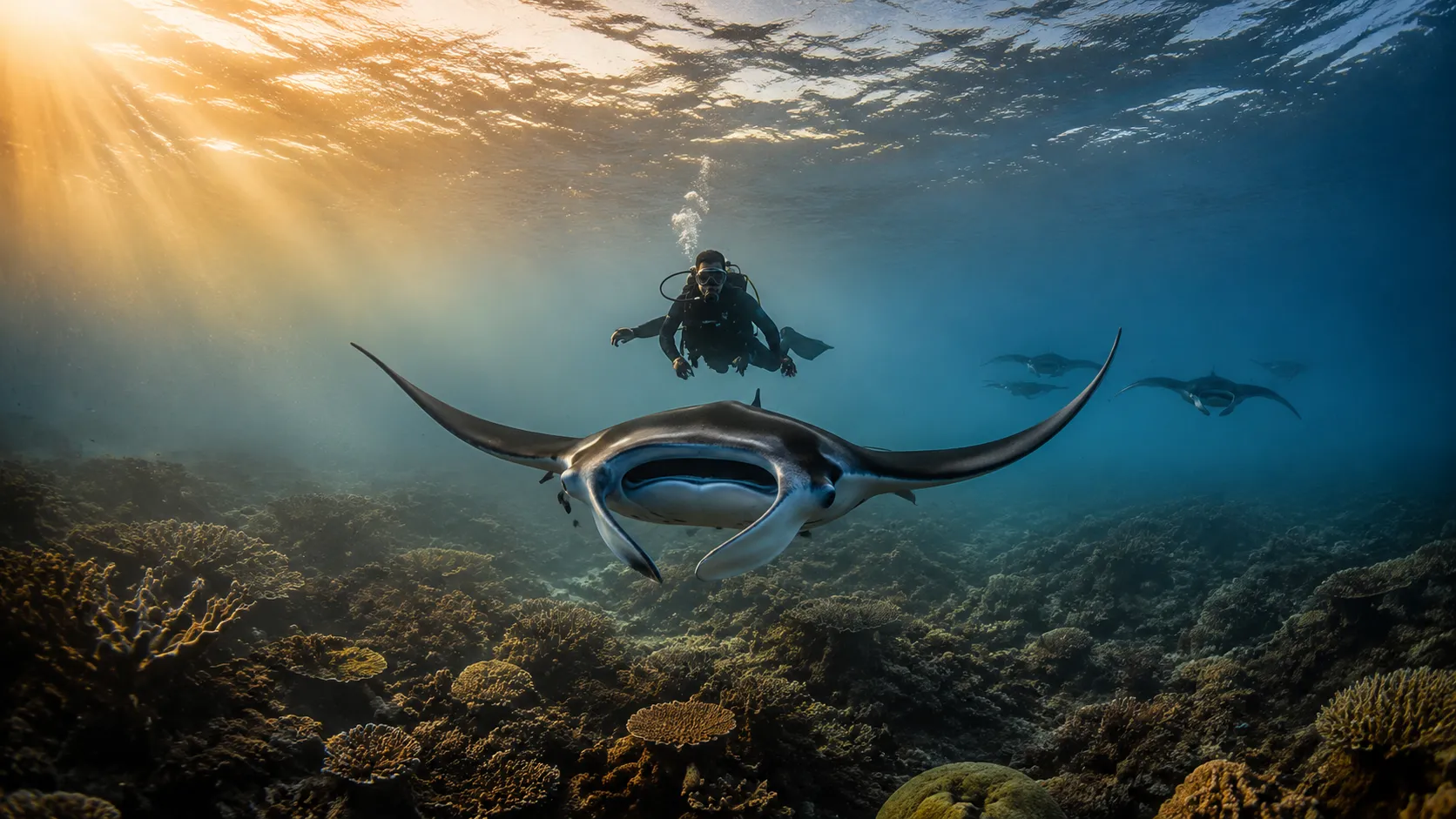
Komodo National Park
Indonesia - 4.8/5
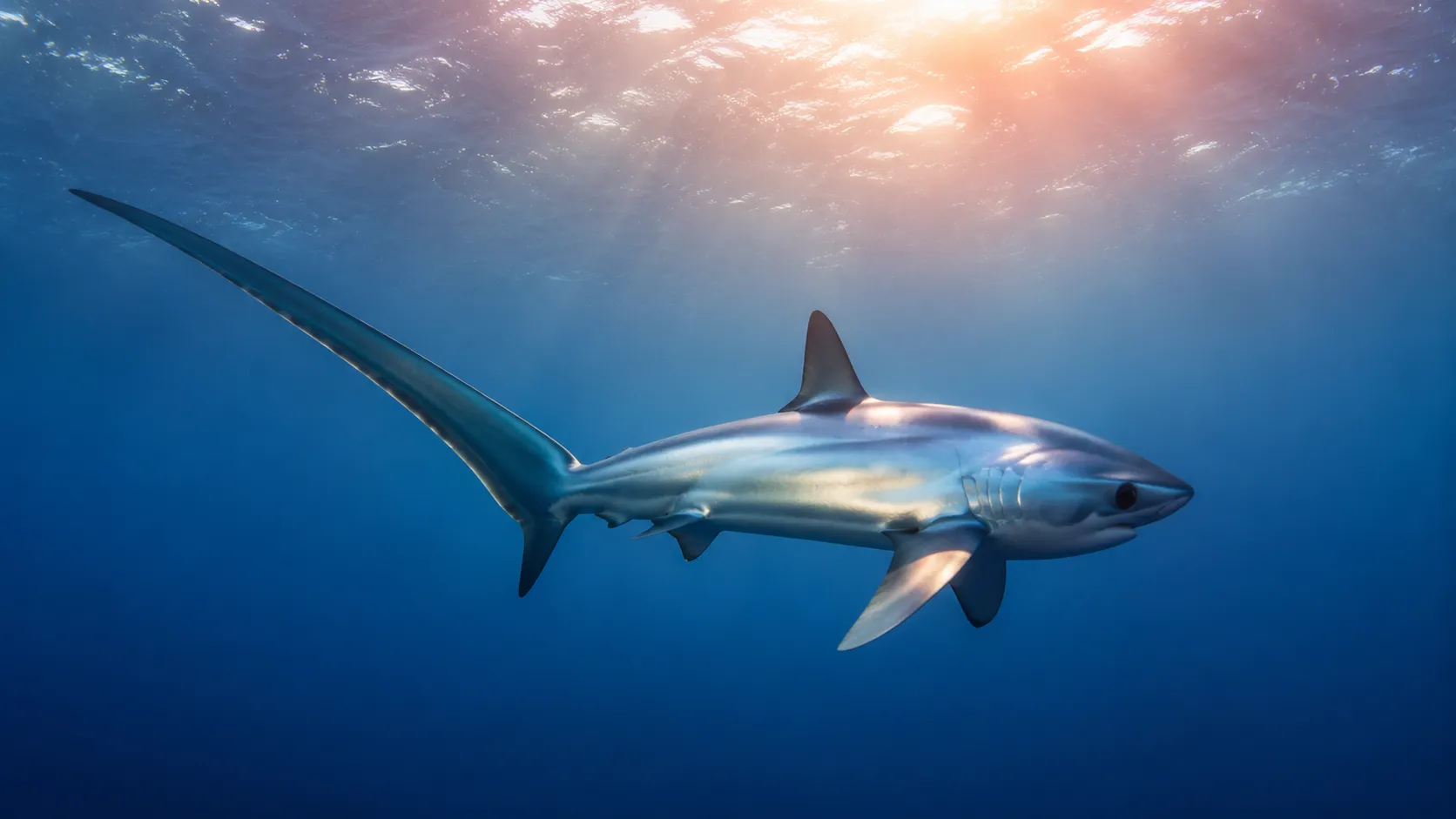
Malapascua
Philippines - 4.5/5
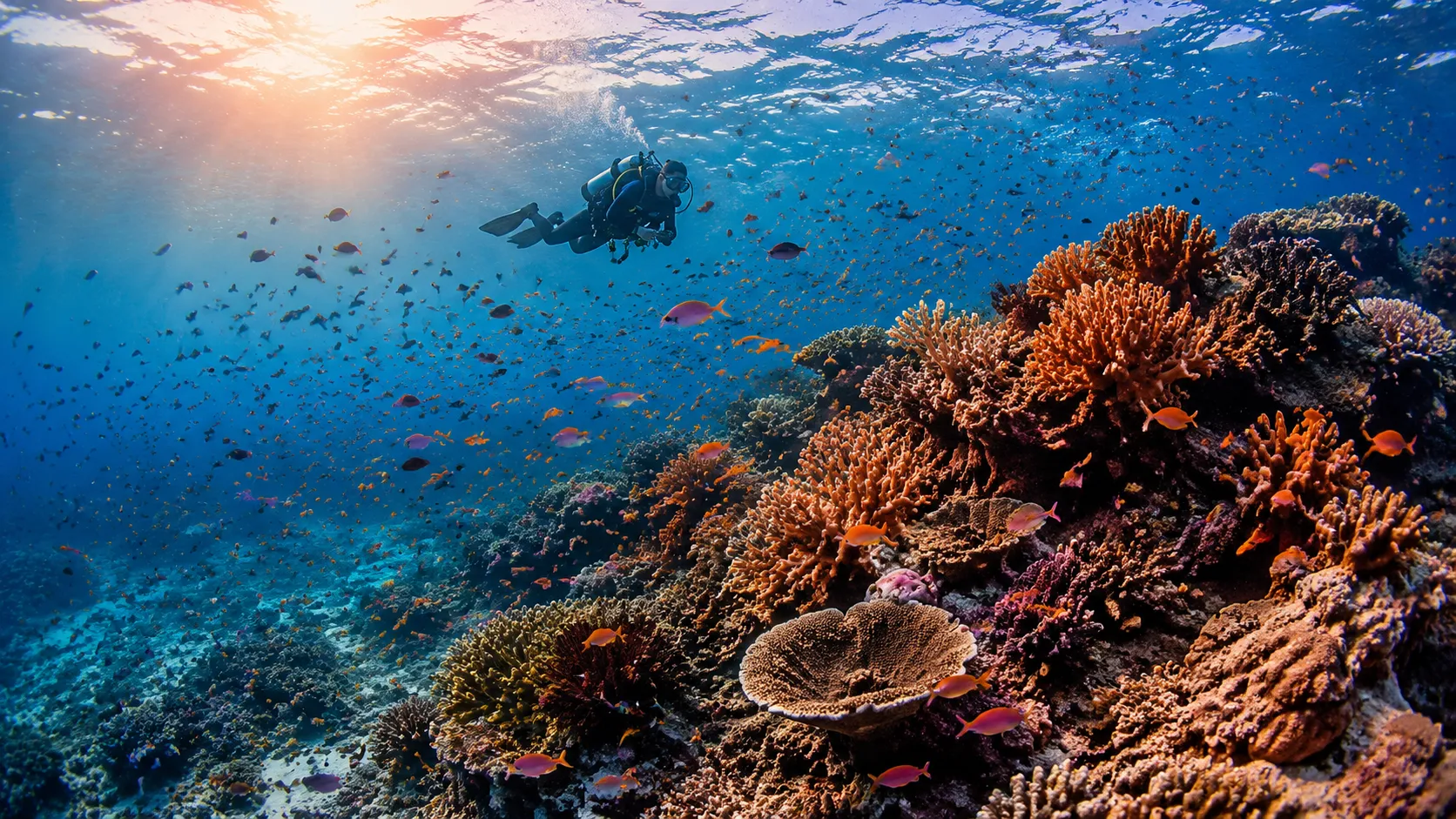
Raja Ampat
Indonesia - 4.9/5
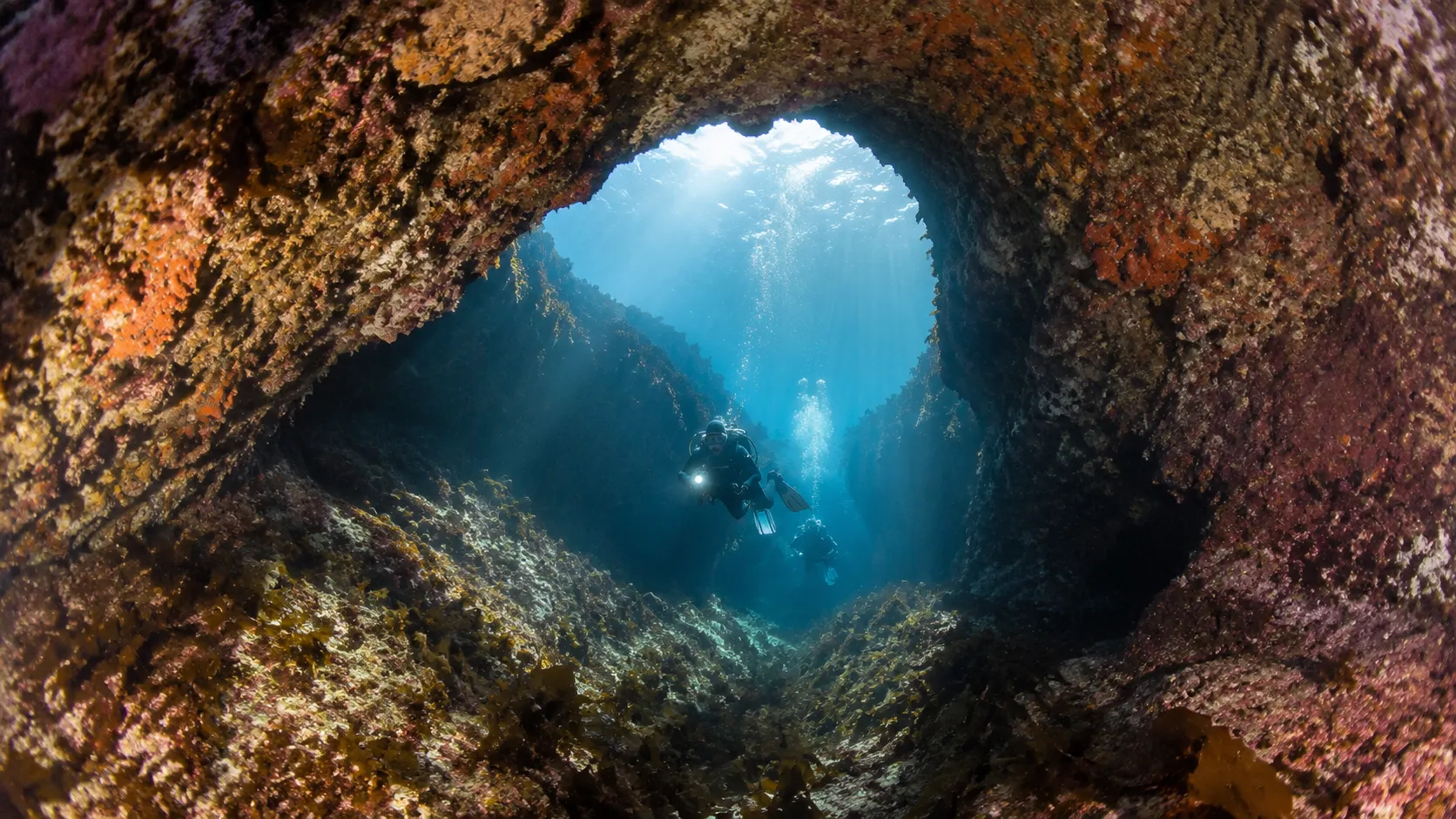
Poor Knights Islands
New Zealand - 4.4/5
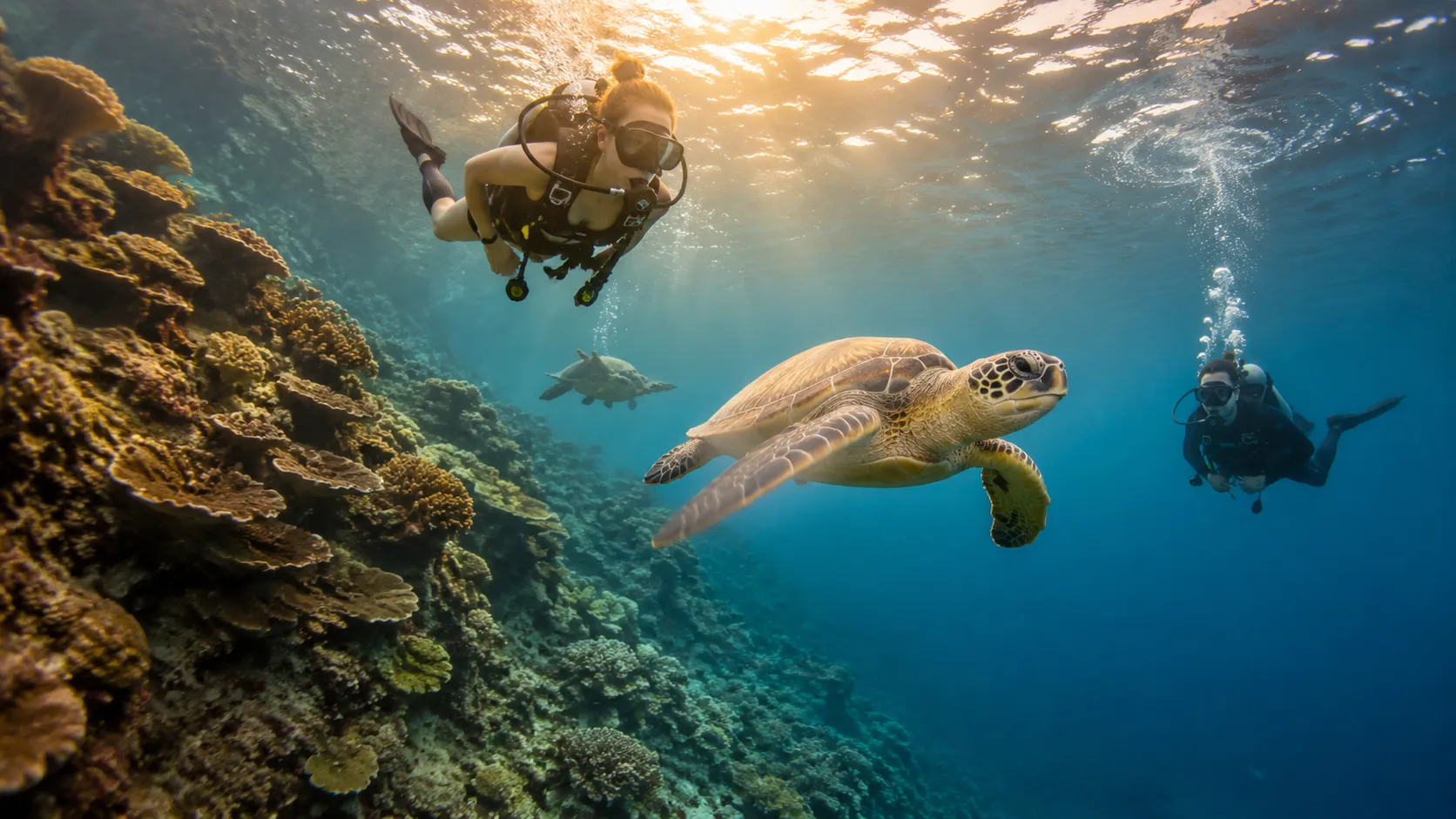
Sipadan
Malaysia - 4.7/5
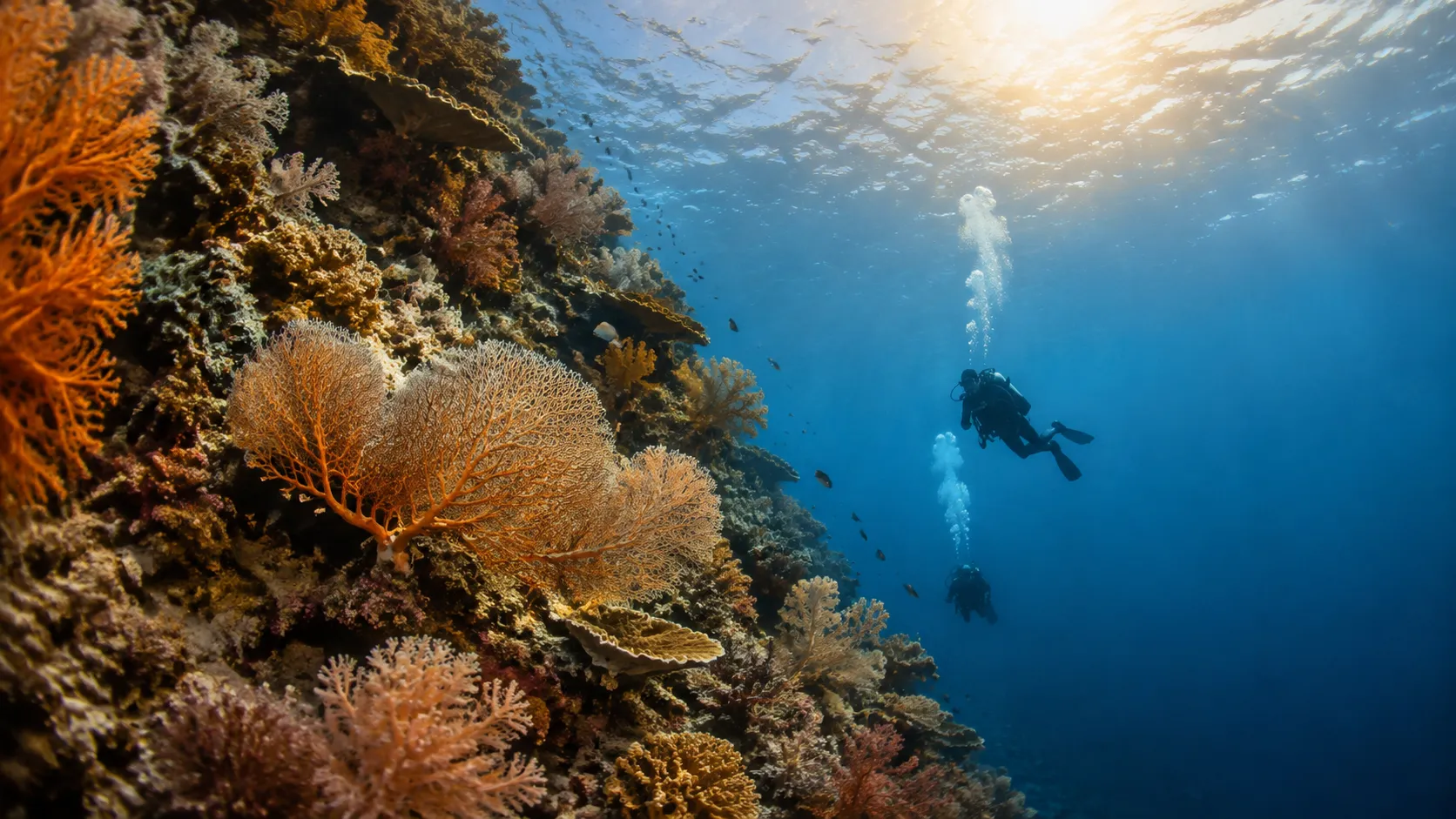
Wakatobi
Indonesia - 4.5/5
Top Picks in Detail
What makes each destination in this collection stand out, based on community ratings and our editorial research.
Anilao, Philippines - 4.4/5
The nudibranch capital - over 800 species and a macro photographer's paradise.
With 15m visibility and 28°C water, Anilao dives best from Jan, Feb, Mar, Apr, May, Nov, Dec. Daily costs average $60, and the signature sites are Secret Bay and Twin Rocks. Its beginner difficulty profile and budget pricing tier make it a strong candidate for this collection.
Bali, Indonesia - 4.2/5
The ultimate dive vacation island - muck diving mecca meets manta ray magic.
With 20m visibility and 27°C water, Bali dives best from Apr, May, Jun, Jul, Aug, Sep, Oct, Nov. Daily costs average $80, and the signature sites are USAT Liberty Wreck and Manta Point. Its beginner difficulty profile and budget pricing tier make it a strong candidate for this collection.
Lembeh Strait, Indonesia - 4.6/5
The muck diving capital of the world - where every dive reveals a new alien creature.
With 10m visibility and 28°C water, Lembeh Strait dives best from Apr, May, Jun, Jul, Aug, Sep, Oct, Nov. Daily costs average $120, and the signature sites are Nudi Falls and Aer Perang. Its beginner difficulty profile and mid_range pricing tier make it a strong candidate for this collection.
Bonaire, Bonaire - 4.6/5
Shore diving freedom - the world's best self-guided dive destination.
With 25m visibility and 27°C water, Bonaire dives best from Jan, Feb, Mar, Apr, May, Jun, Jul, Aug, Sep, Oct, Nov, Dec. Daily costs average $130, and the signature sites are Hilma Hooker and Salt Pier. Its beginner difficulty profile and mid_range pricing tier make it a strong candidate for this collection.
Chuuk Lagoon, Micronesia - 4.7/5
The world's greatest wreck diving - a WWII Japanese fleet frozen in time.
With 25m visibility and 28°C water, Chuuk Lagoon dives best from Dec, Jan, Feb, Mar, Apr. Daily costs average $200, and the signature sites are Fujikawa Maru and Shinkoku Maru. Its advanced difficulty profile and premium pricing tier make it a strong candidate for this collection.
Cozumel, Mexico - 4.3/5
The drift diving capital with endless walls, turtles, and easy Caribbean access.
With 30m visibility and 27°C water, Cozumel dives best from Dec, Jan, Feb, Mar, Apr, May. Daily costs average $120, and the signature sites are Palancar Reef and Santa Rosa Wall. Its beginner difficulty profile and mid_range pricing tier make it a strong candidate for this collection.
Great Barrier Reef, Australia - 4.5/5
The world's largest living structure - 2,300 kilometers of underwater wilderness.
With 25m visibility and 26°C water, Great Barrier Reef dives best from Jun, Jul, Aug, Sep, Oct, Nov. Daily costs average $200, and the signature sites are Cod Hole and Osprey Reef. Its beginner difficulty profile and mid_range pricing tier make it a strong candidate for this collection.
Kimbe Bay, Papua New Guinea - 4.6/5
The coral crucible - 60% of all Indo-Pacific coral species in a single bay.
With 25m visibility and 28°C water, Kimbe Bay dives best from Apr, May, Jun, Jul, Aug, Sep, Oct, Nov, Dec. Daily costs average $180, and the signature sites are Inglis Shoal. Its beginner difficulty profile and premium pricing tier make it a strong candidate for this collection.
Komodo National Park, Indonesia - 4.8/5
The wild heart of the Coral Triangle - where dragons meet dragons of the deep.
With 25m visibility and 27°C water, Komodo National Park dives best from Apr, May, Jun, Jul, Aug, Sep, Oct, Nov. Daily costs average $180, and the signature sites are Batu Bolong and Manta Alley. Its advanced difficulty profile and mid_range pricing tier make it a strong candidate for this collection.
Malapascua, Philippines - 4.5/5
The only place in the world where you can reliably see thresher sharks every morning.
With 20m visibility and 27°C water, Malapascua dives best from Jan, Feb, Mar, Apr, May, Nov, Dec. Daily costs average $70, and the signature sites are Monad Shoal and Gato Island. Its intermediate difficulty profile and budget pricing tier make it a strong candidate for this collection.
Raja Ampat, Indonesia - 4.9/5
The epicenter of marine biodiversity - the Amazon of the seas.
With 30m visibility and 28°C water, Raja Ampat dives best from Oct, Nov, Dec, Jan, Feb, Mar, Apr. Daily costs average $250, and the signature sites are Cape Kri and Manta Sandy. Its intermediate difficulty profile and luxury pricing tier make it a strong candidate for this collection.
Poor Knights Islands, New Zealand - 4.4/5
Jacques Cousteau's top 10 dive site - arches, caves, and subtropical currents.
With 25m visibility and 18°C water, Poor Knights Islands dives best from Jan, Feb, Mar, Apr, May. Daily costs average $150, and the signature sites are Rikoriko Cave and Northern Arch. Its intermediate difficulty profile and mid_range pricing tier make it a strong candidate for this collection.
Collection at a Glance
Quick comparison of the destinations in this collection.
| Destination | Rating | Visibility | Temp | Cost/day | Best months | Difficulty |
|---|---|---|---|---|---|---|
| Anilao | 4.4/5 | 15m | 28°C | $60 | Jan, Feb, Mar, Apr, May, Nov, Dec | beginner |
| Bali | 4.2/5 | 20m | 27°C | $80 | Apr, May, Jun, Jul, Aug, Sep, Oct, Nov | beginner |
| Lembeh Strait | 4.6/5 | 10m | 28°C | $120 | Apr, May, Jun, Jul, Aug, Sep, Oct, Nov | beginner |
| Bonaire | 4.6/5 | 25m | 27°C | $130 | Jan, Feb, Mar, Apr, May, Jun, Jul, Aug, Sep, Oct, Nov, Dec | beginner |
| Chuuk Lagoon | 4.7/5 | 25m | 28°C | $200 | Dec, Jan, Feb, Mar, Apr | advanced |
| Cozumel | 4.3/5 | 30m | 27°C | $120 | Dec, Jan, Feb, Mar, Apr, May | beginner |
| Great Barrier Reef | 4.5/5 | 25m | 26°C | $200 | Jun, Jul, Aug, Sep, Oct, Nov | beginner |
| Kimbe Bay | 4.6/5 | 25m | 28°C | $180 | Apr, May, Jun, Jul, Aug, Sep, Oct, Nov, Dec | beginner |
| Komodo National Park | 4.8/5 | 25m | 27°C | $180 | Apr, May, Jun, Jul, Aug, Sep, Oct, Nov | advanced |
| Malapascua | 4.5/5 | 20m | 27°C | $70 | Jan, Feb, Mar, Apr, May, Nov, Dec | intermediate |
| Raja Ampat | 4.9/5 | 30m | 28°C | $250 | Oct, Nov, Dec, Jan, Feb, Mar, Apr | intermediate |
| Poor Knights Islands | 4.4/5 | 25m | 18°C | $150 | Jan, Feb, Mar, Apr, May | intermediate |
Frequently Asked Questions
What is muck diving and why is it special?
Muck diving explores volcanic sand slopes and artificial structures where extraordinary critters gather: flamboyant cuttlefish, mimic octopus, harlequin shrimp, ghost pipefish, and pygmy seahorses. Indonesia's Lembeh Strait and Anilao are the world capitals, with densities that produce 20+ species per dive.
What camera gear do I need?
A compact camera with macro mode is enough to start; serious photographers add a 60-100mm macro lens, focus light, and wet lens attachments. Guides at top macro destinations spot subjects for you - their trained eyes routinely find creatures the size of a grain of rice.
When is the best season for macro diving?
Calm water is critical for spotting small subjects, so the dry season wins: November to April across most of this collection, with 24m visibility and 27°C water. Night dives are a macro highlight - many species only emerge after dark and are far easier to photograph.
Is macro diving good for beginners?
Yes - muck sites are shallow (5-20m) with little current, which suits new divers. The real challenge is buoyancy: hovering centimetres above the sand without stirring it takes practice. We suggest 20+ dives and a buoyancy specialty before a dedicated photography trip.
Explore More Collections
Browse related collections and dive guides to expand your shortlist.